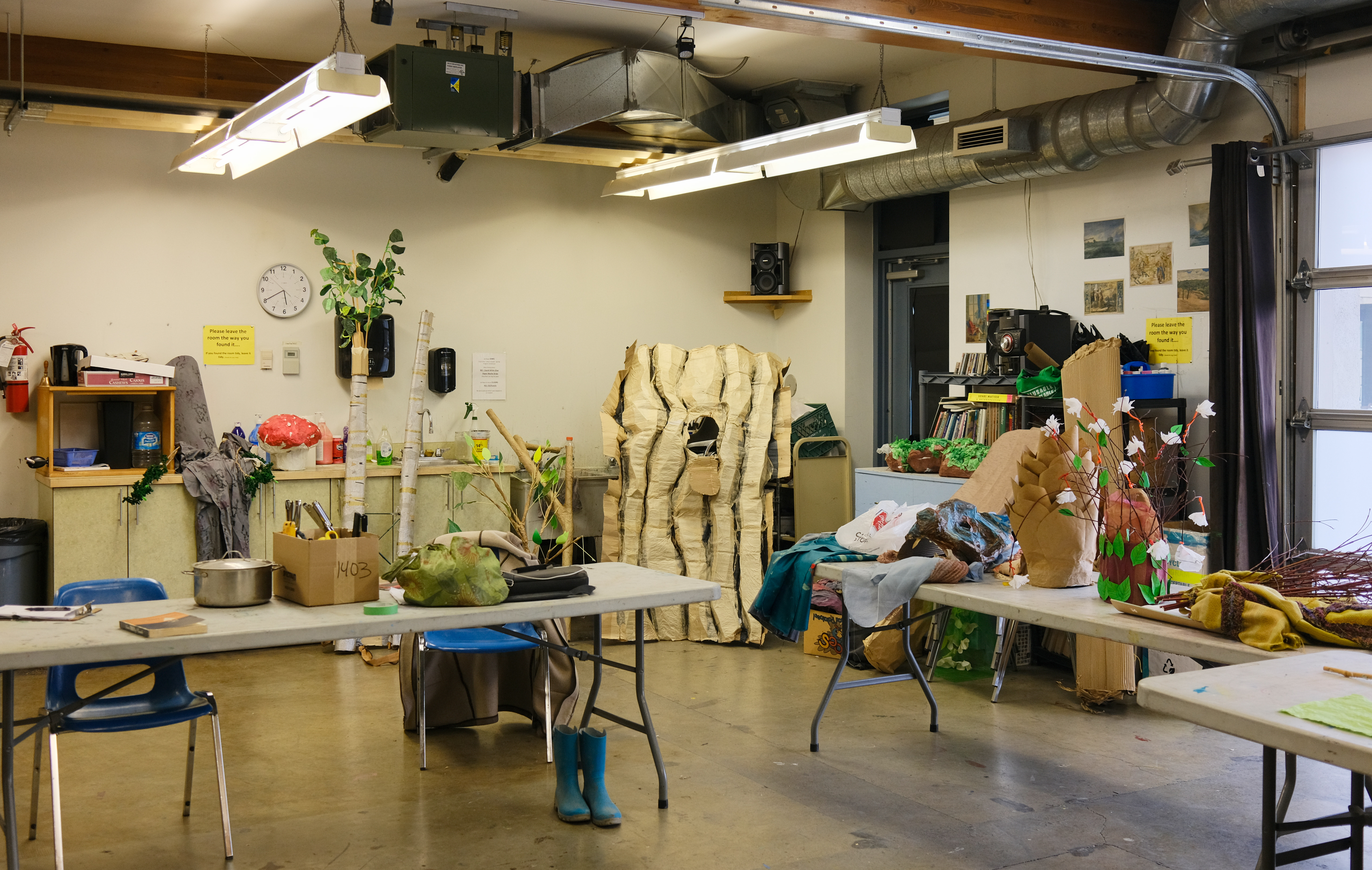
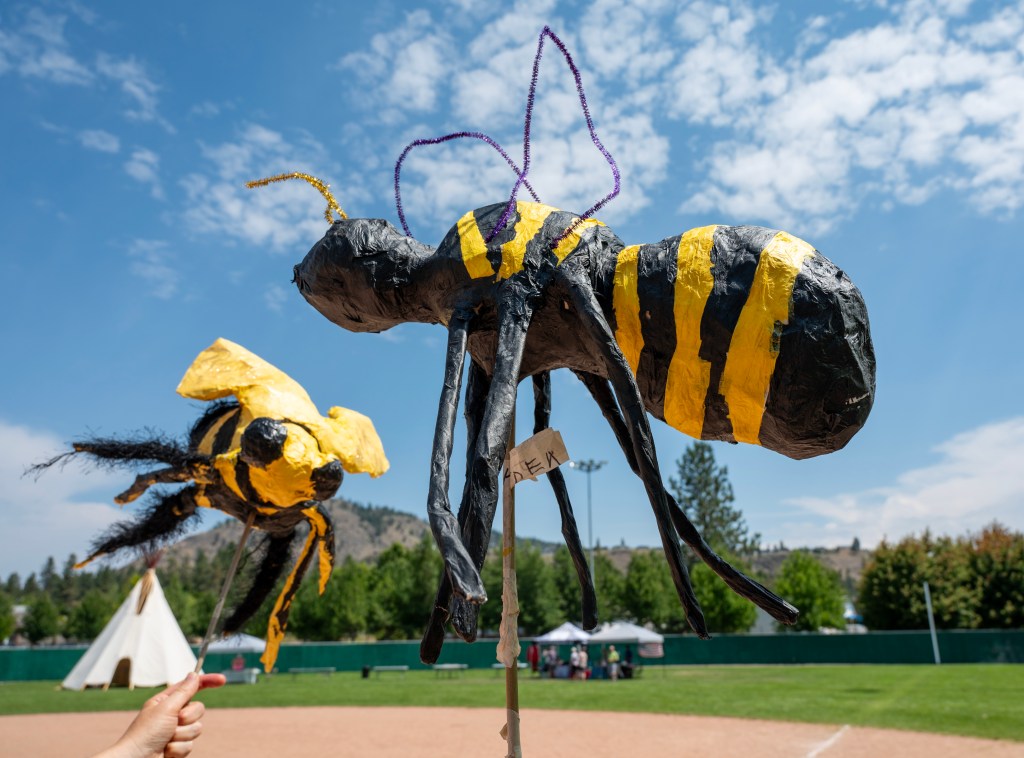
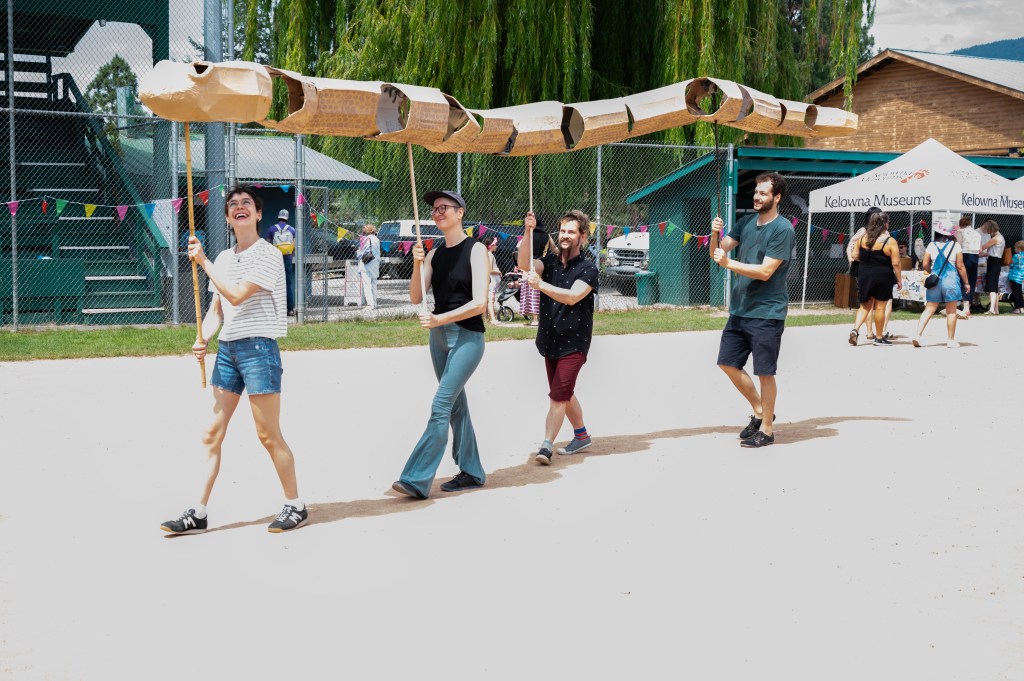
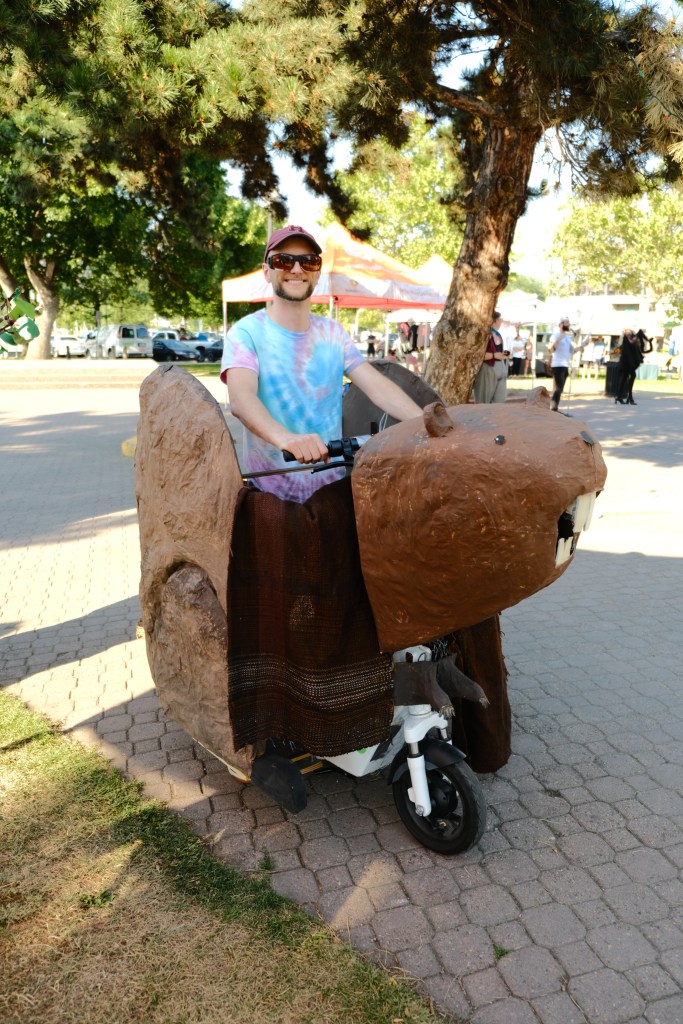
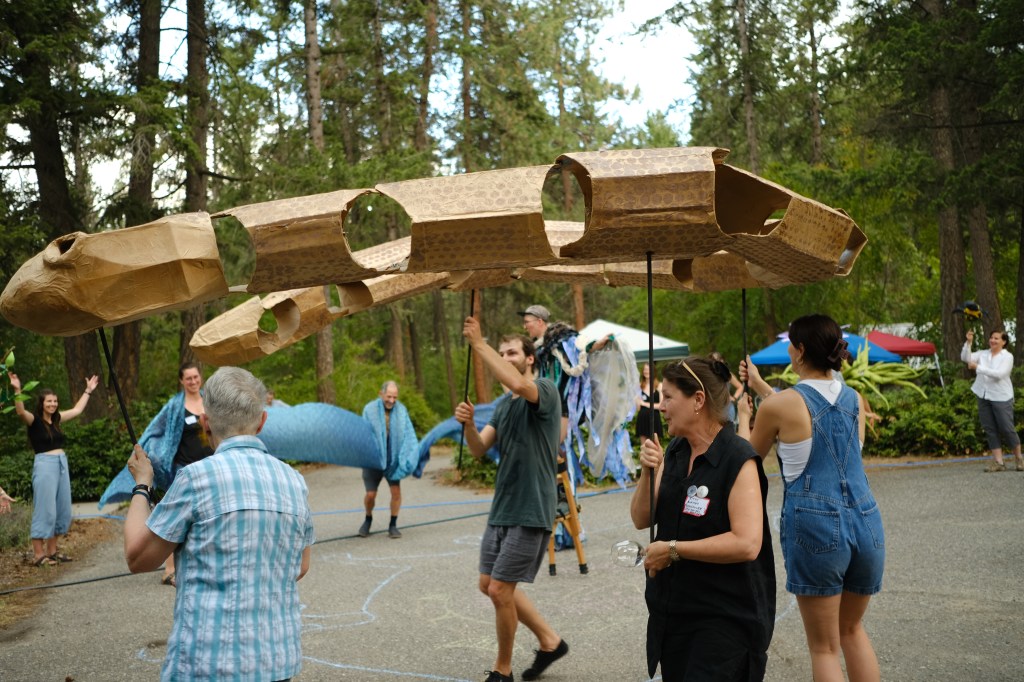
Floodplain and riparian habitats that extend out from creeks and rivers are critical to life in the Okanagan valley. In Kelowna, the watershed’s largest city, an entirely channelized waterway by the name of Brandt’s Creek, runs from an urban residential district to the valley bottom, where it once opened into a marshy floodplain. While it is not currently possible, nor perhaps desirable, to return this channel to its former marshy self, this creek requires care, attention, and room to roam in order to accommodate floodwaters in times of swell, an increasing concern for this habitat and neighboring communities. As a way of inviting community members to expand and explore their relationships with Brandt’s Creek, we have created a large-scale, mobile puppetry project that moves within the historic floodplain of this creek.
Riparian: the habitat or interface between land and water including river(s), stream(s), creek(s), and ditches.
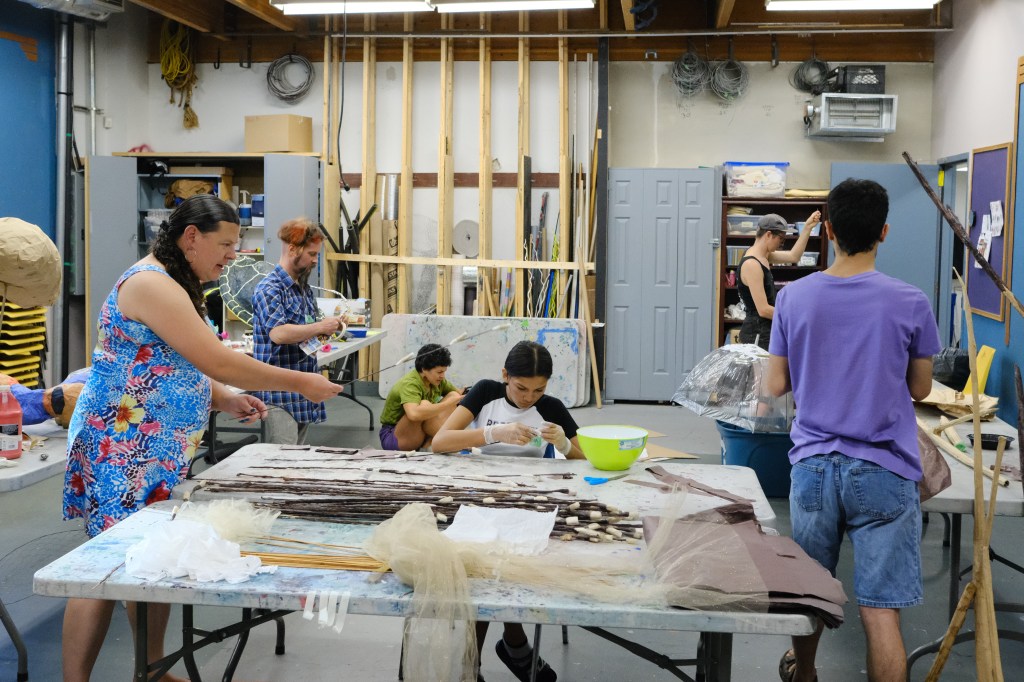
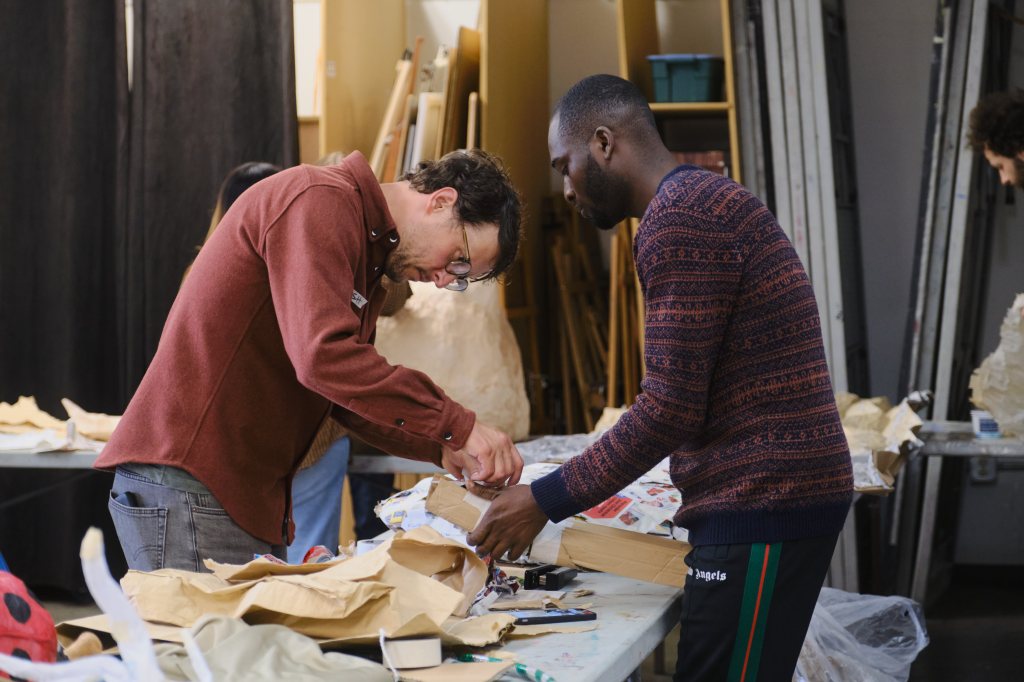
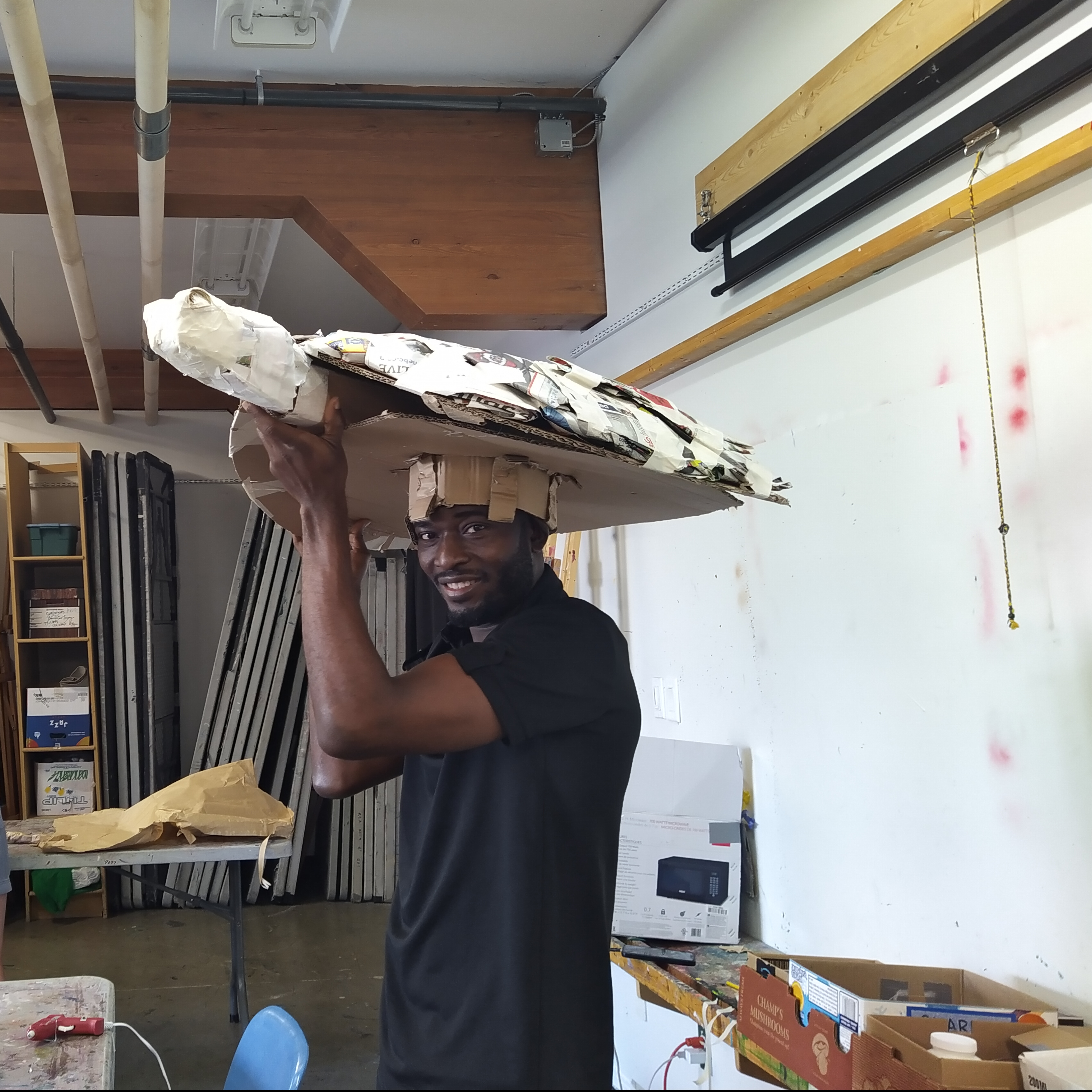
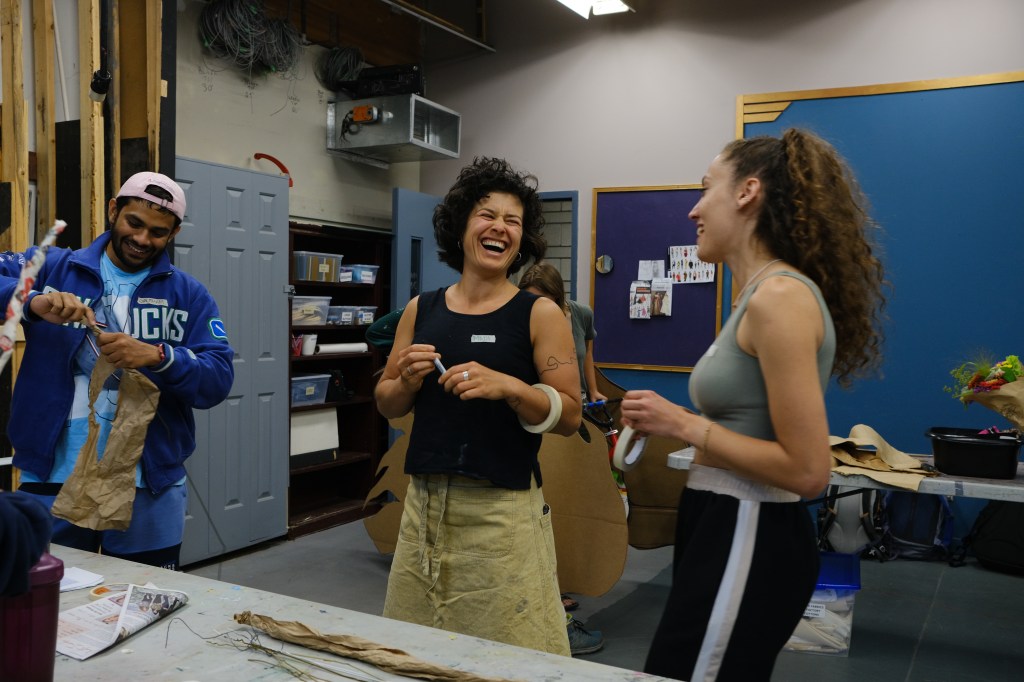
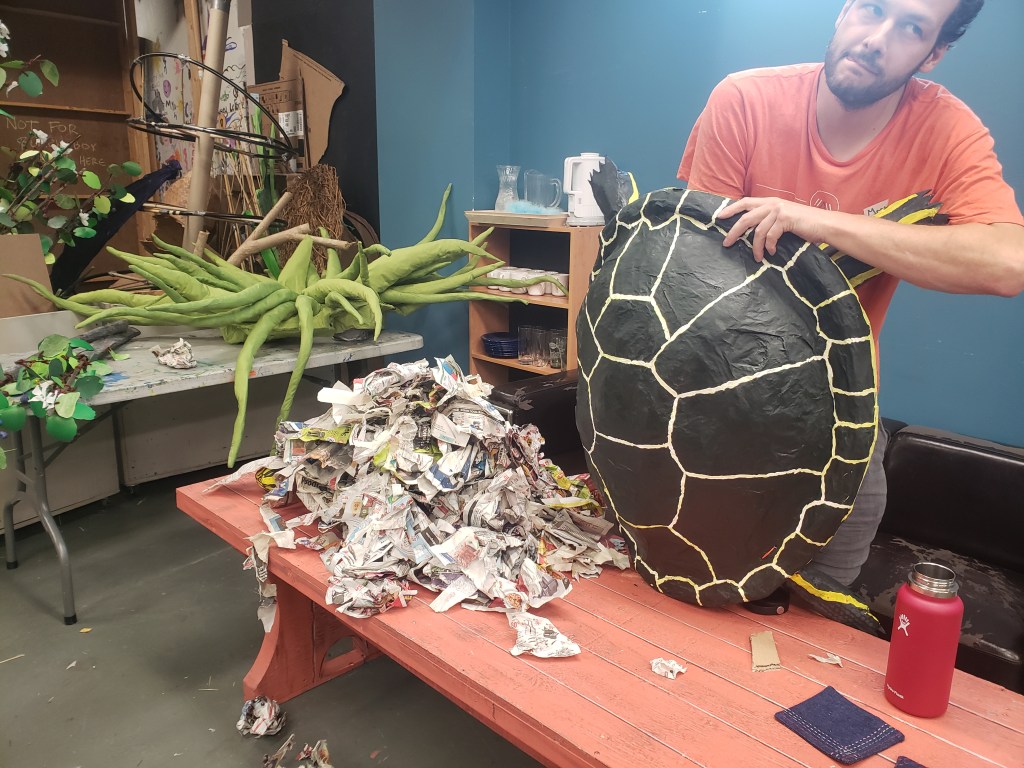
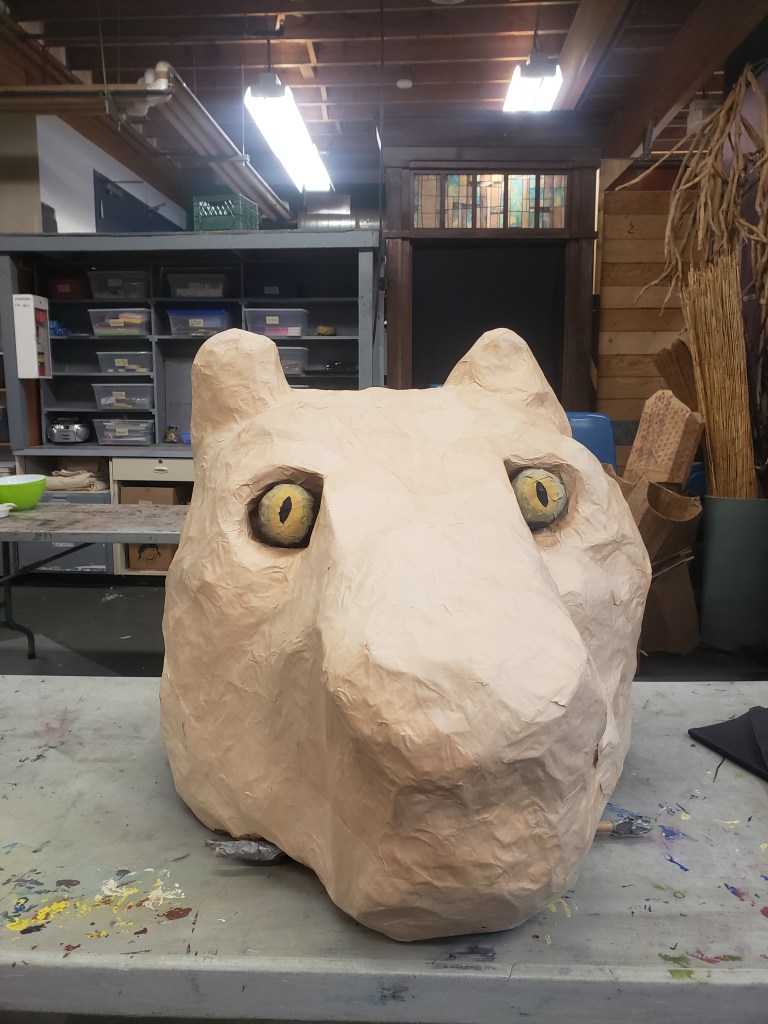
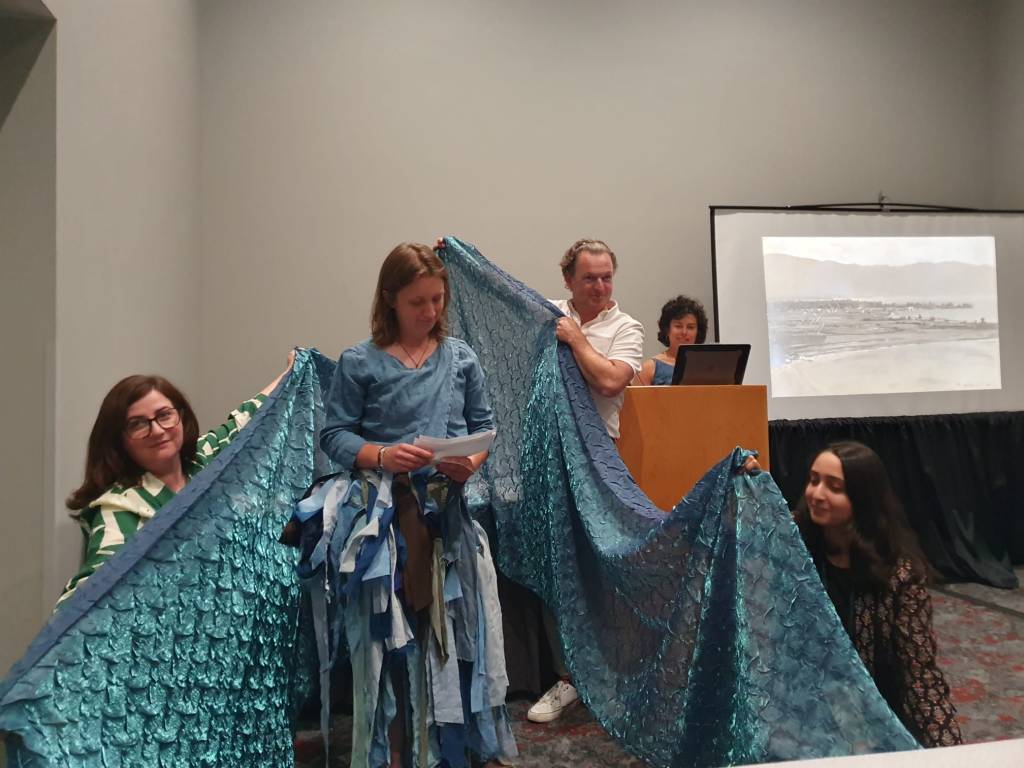
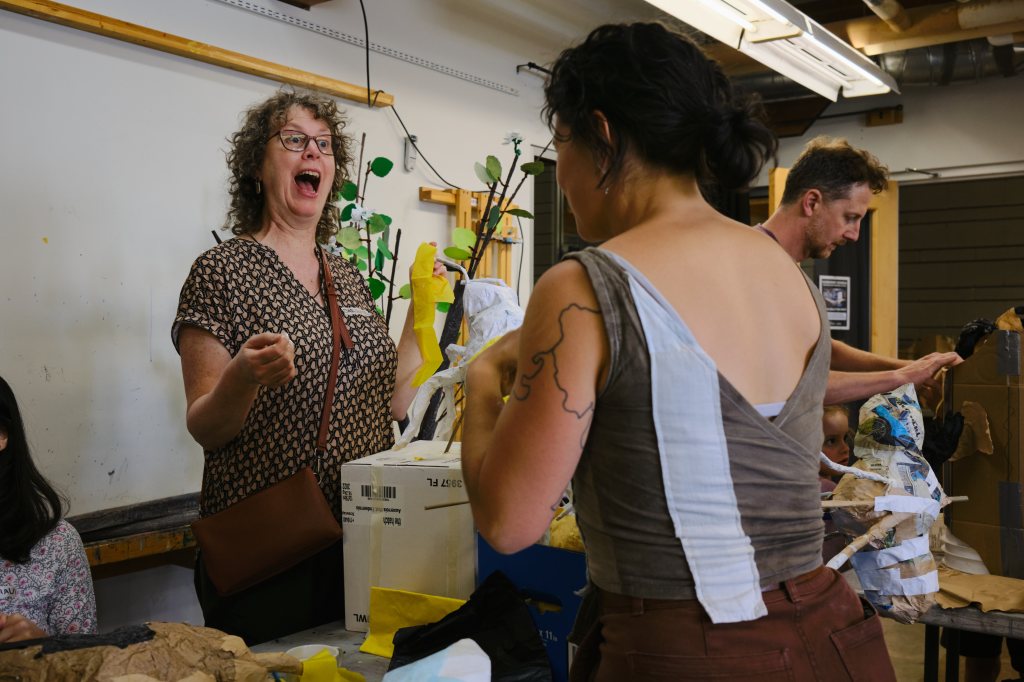
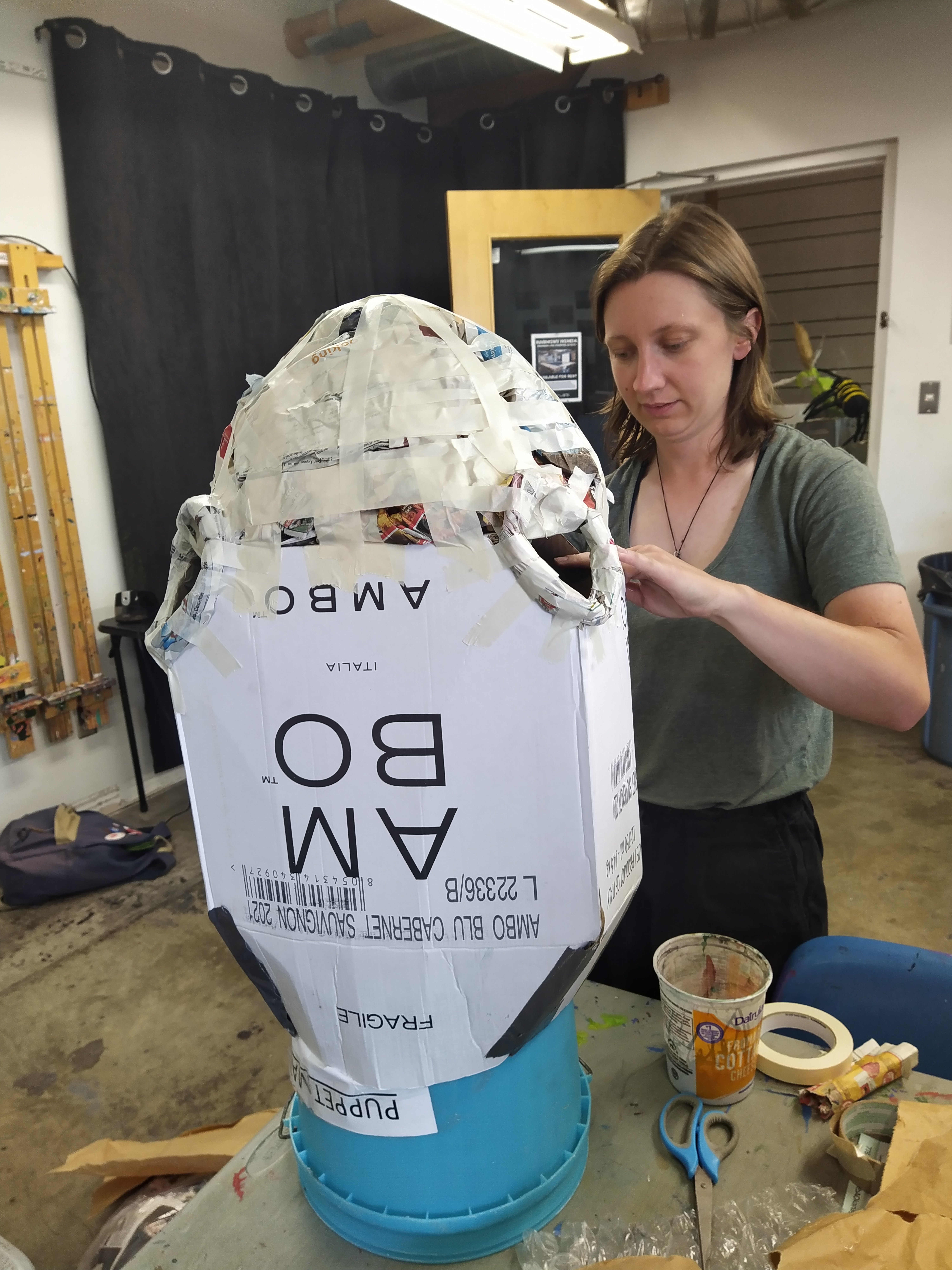
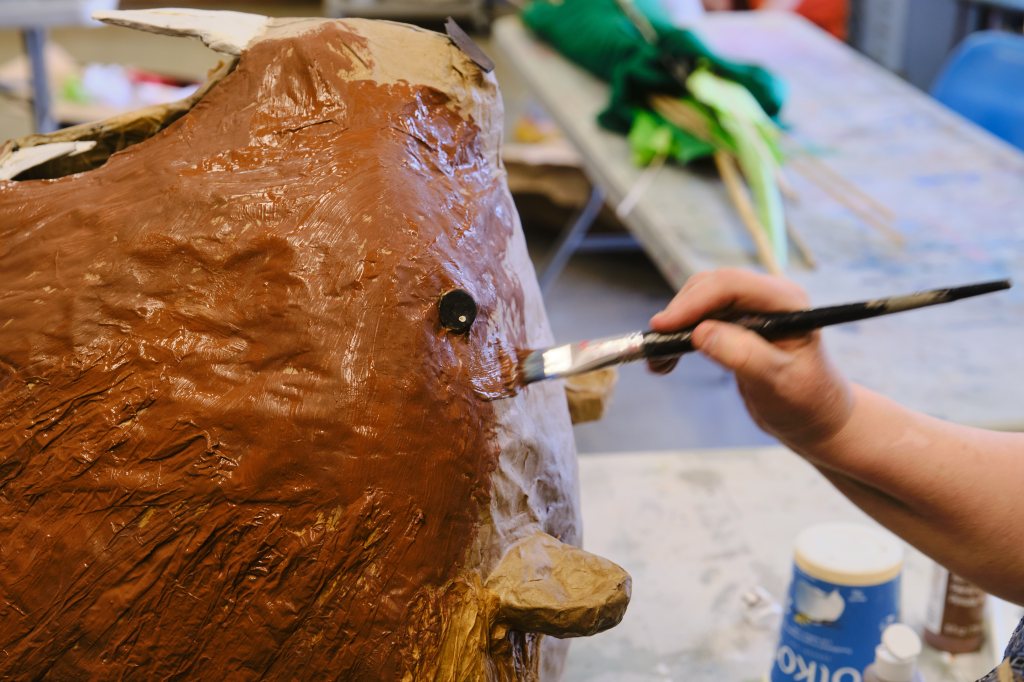
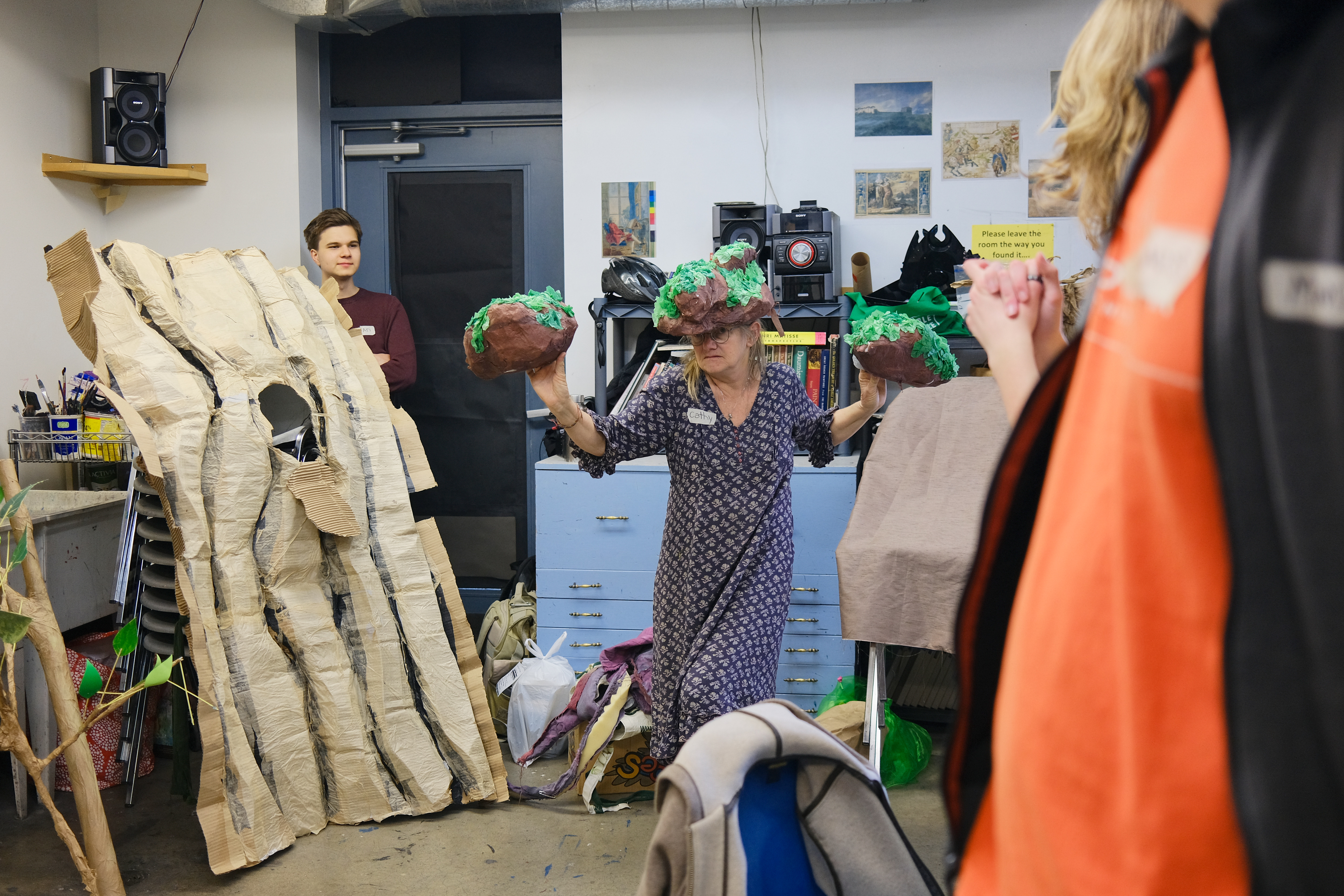
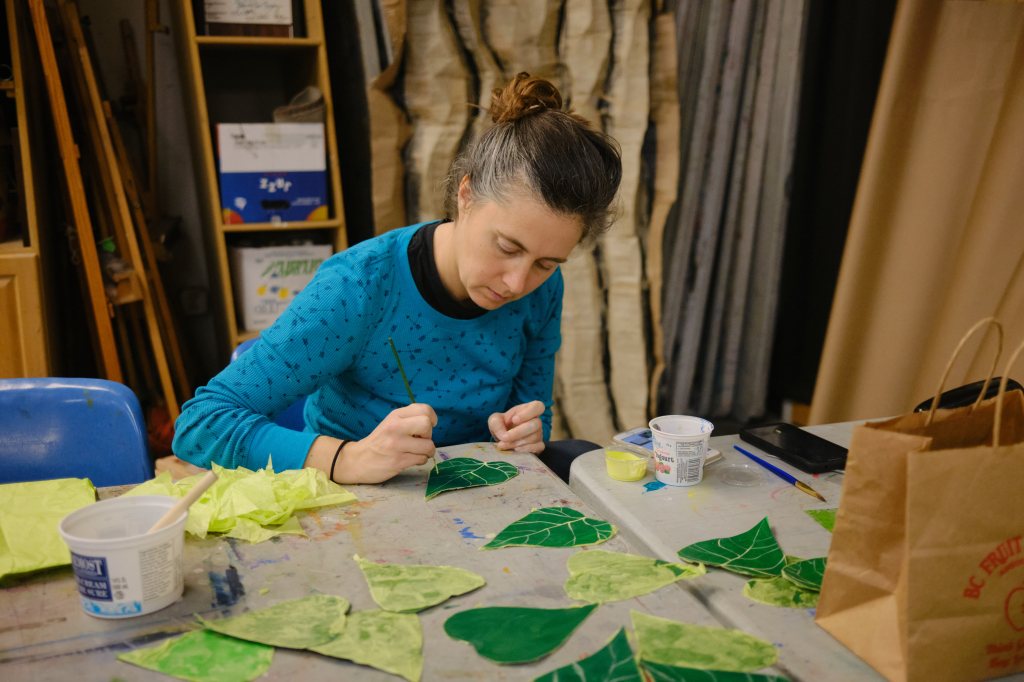
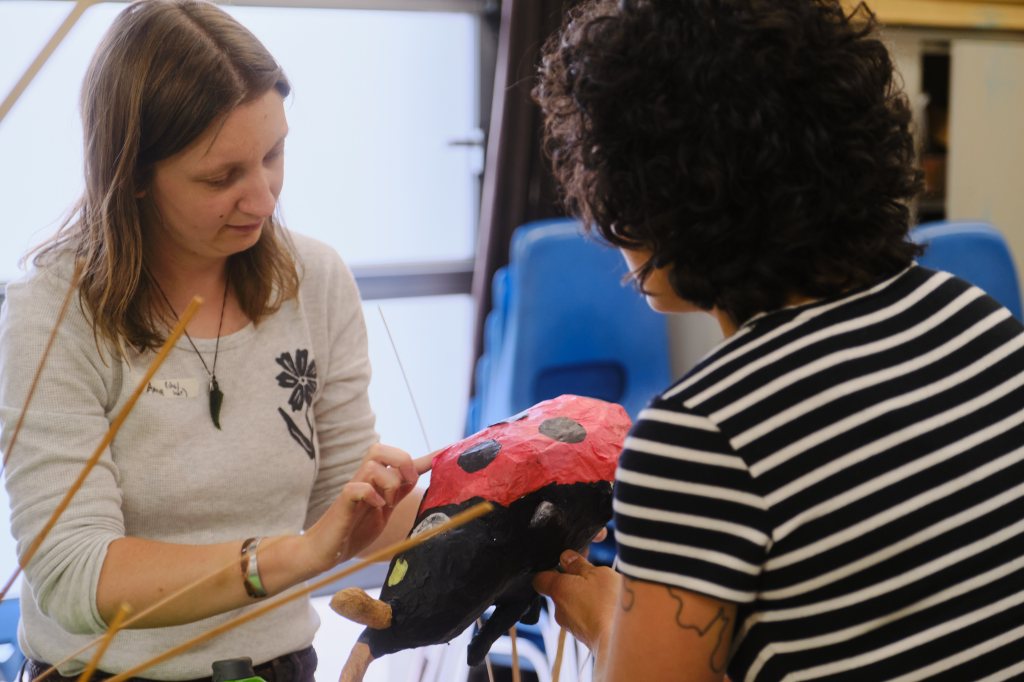
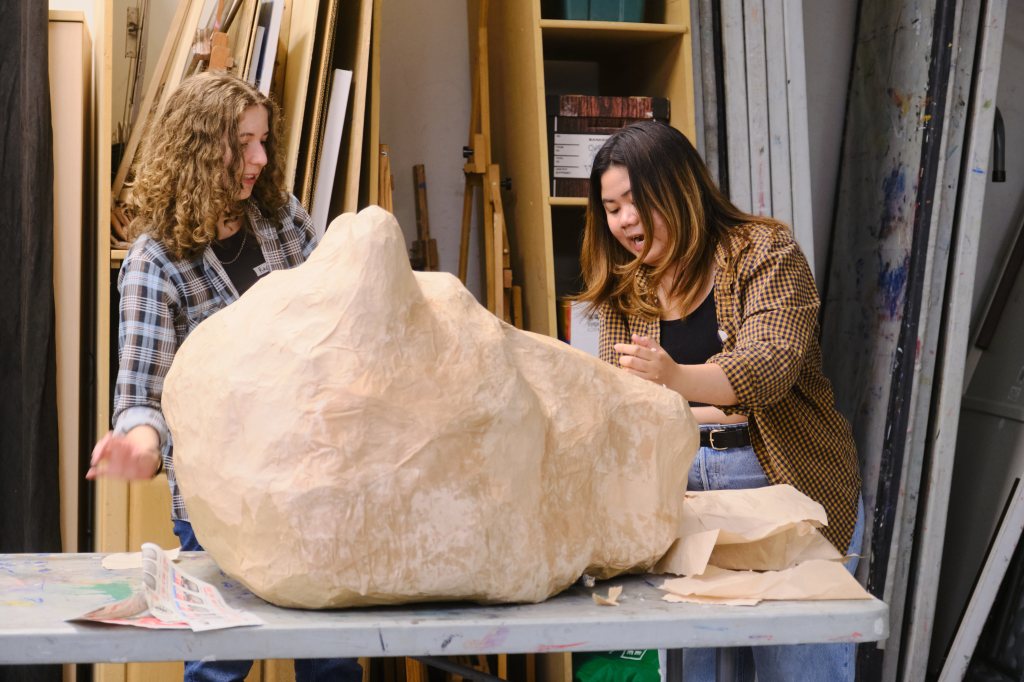
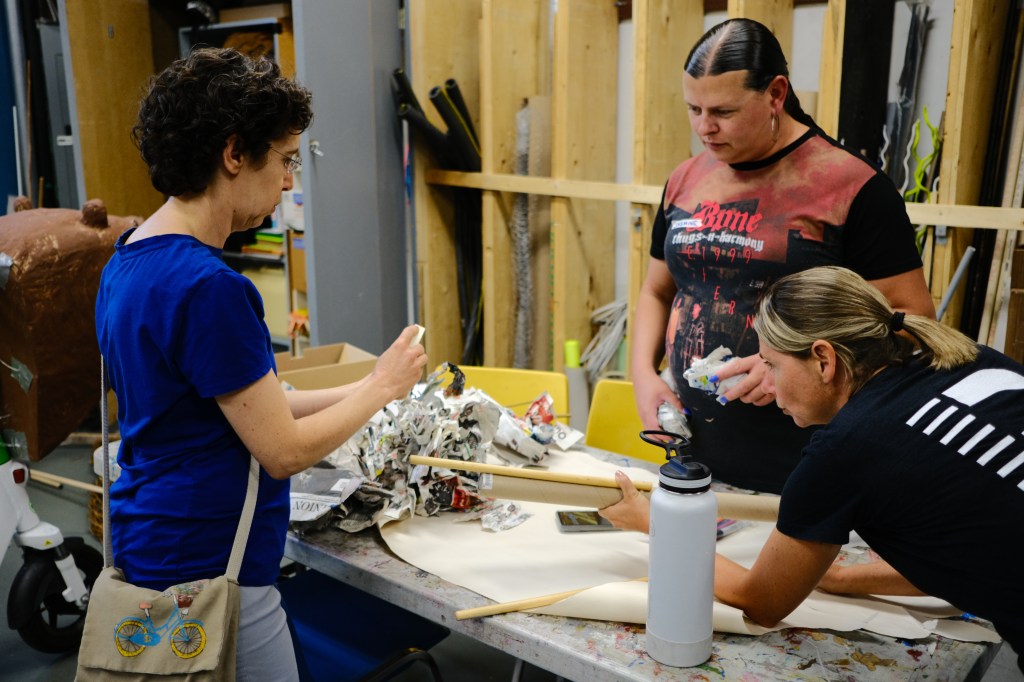
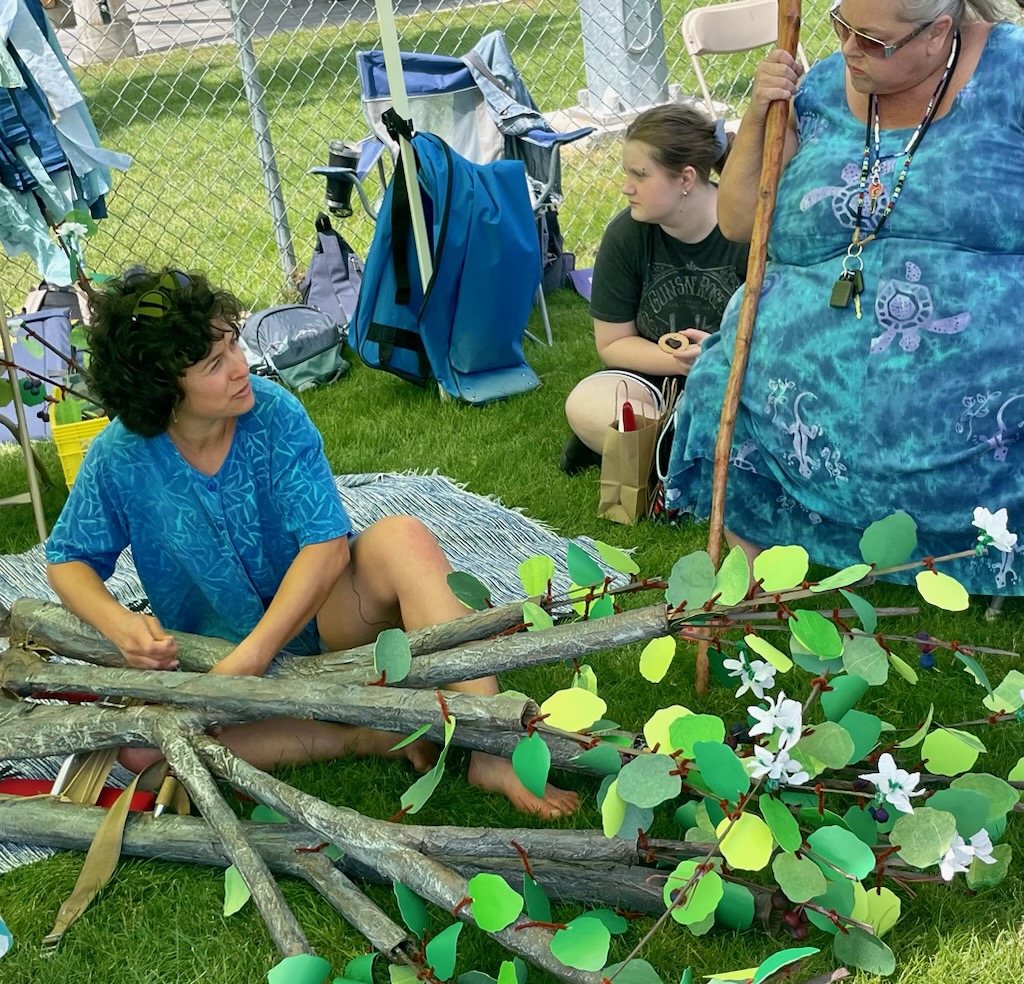
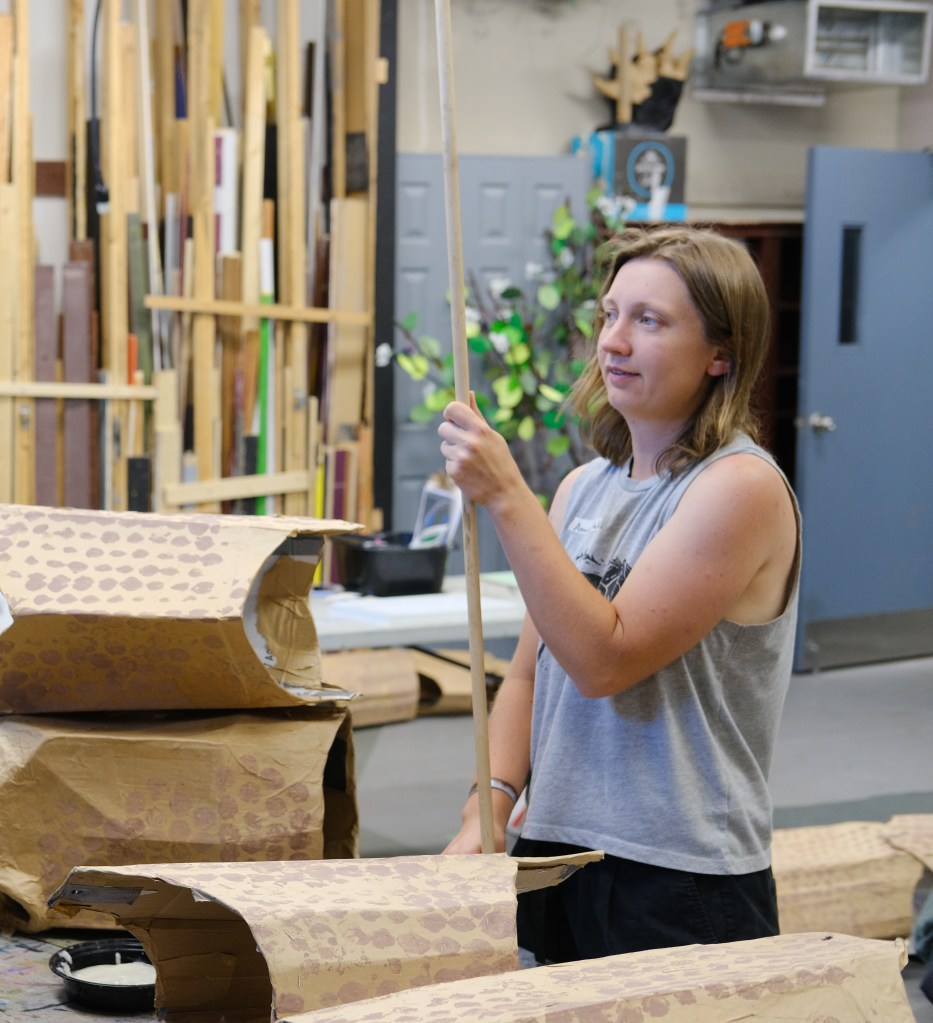
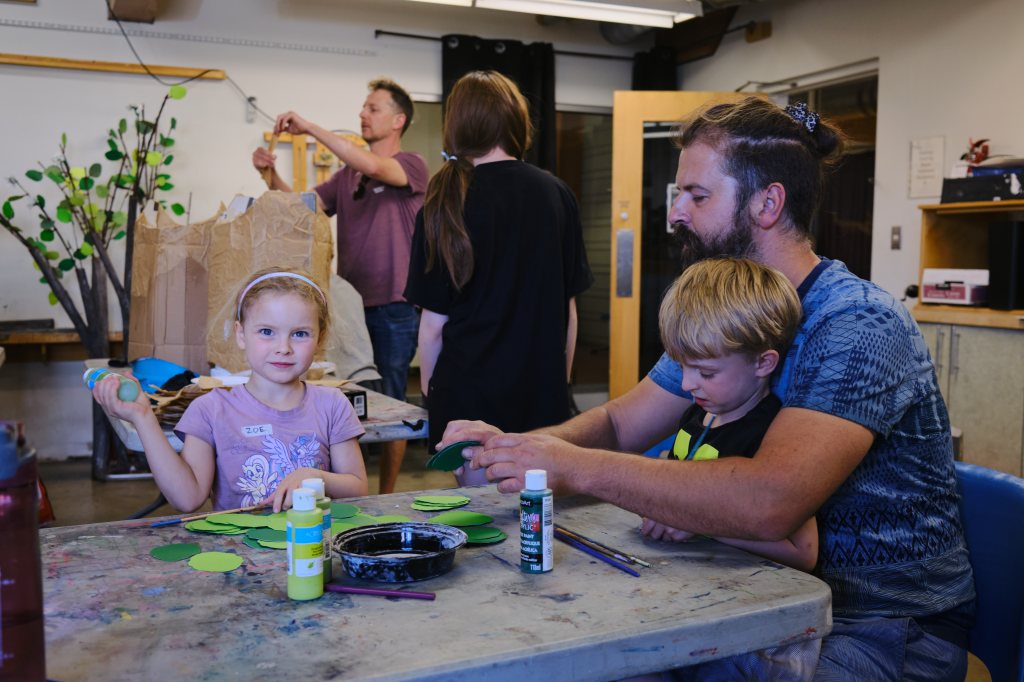
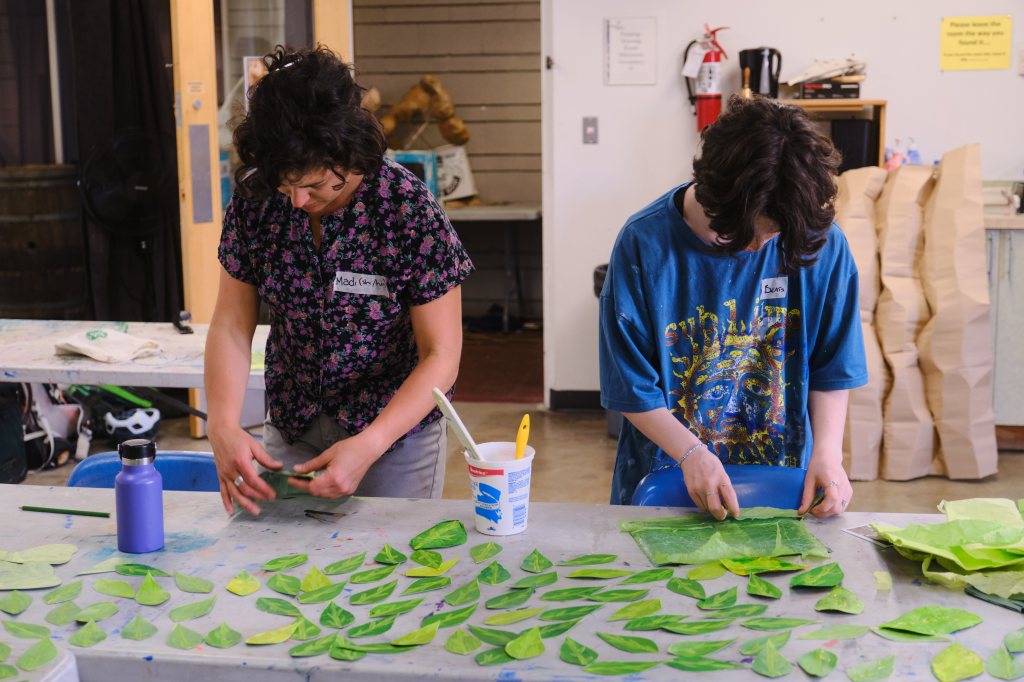
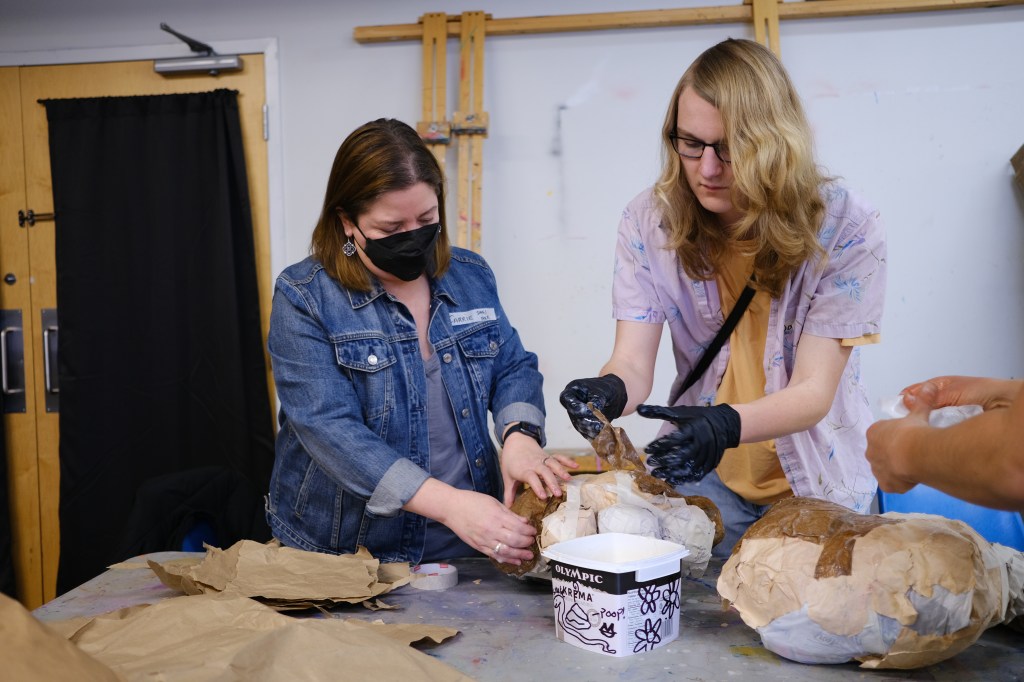
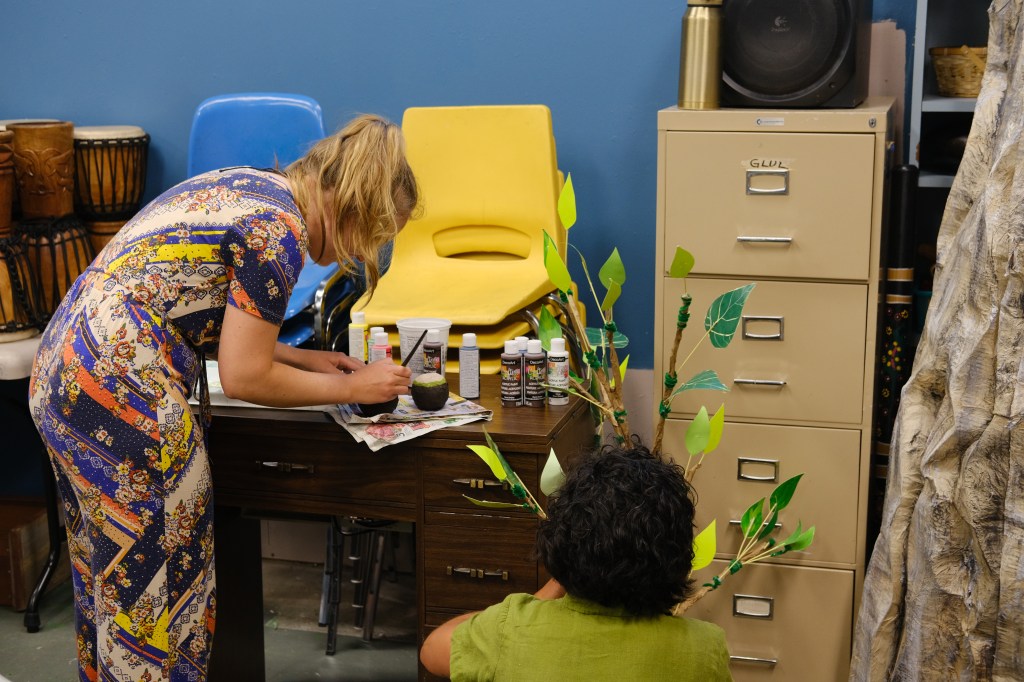
Riparian Reanimation Workshop, 2023
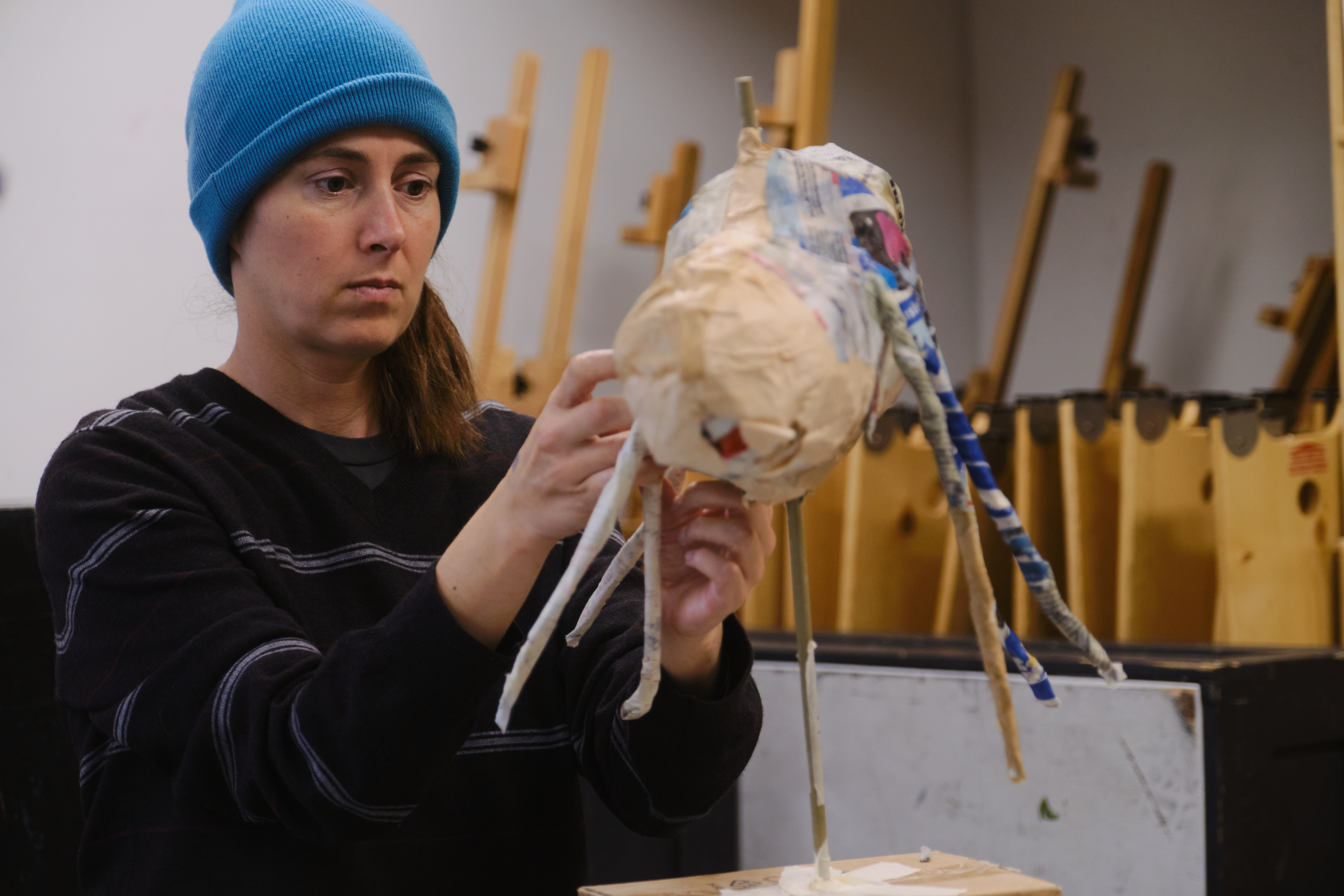
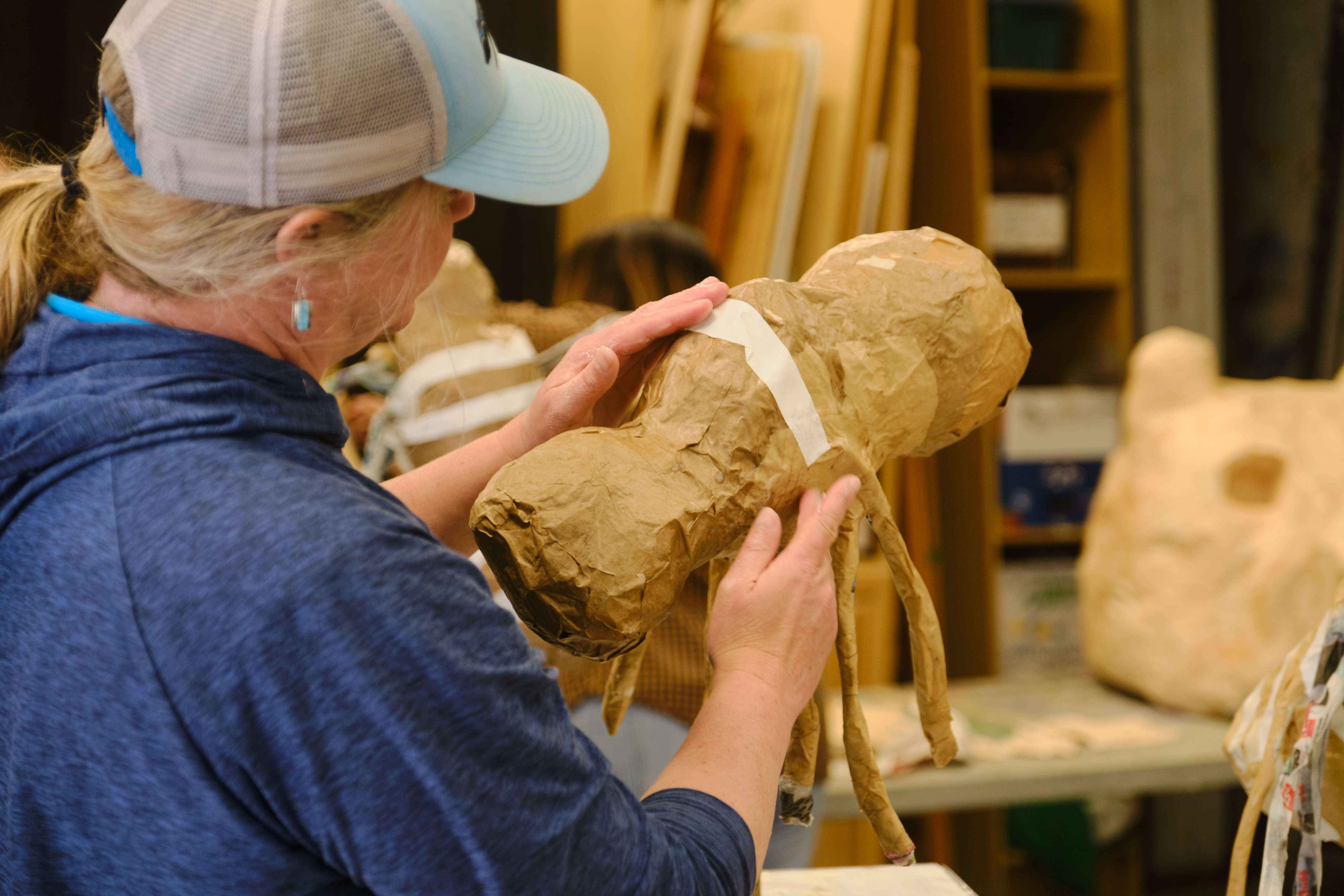
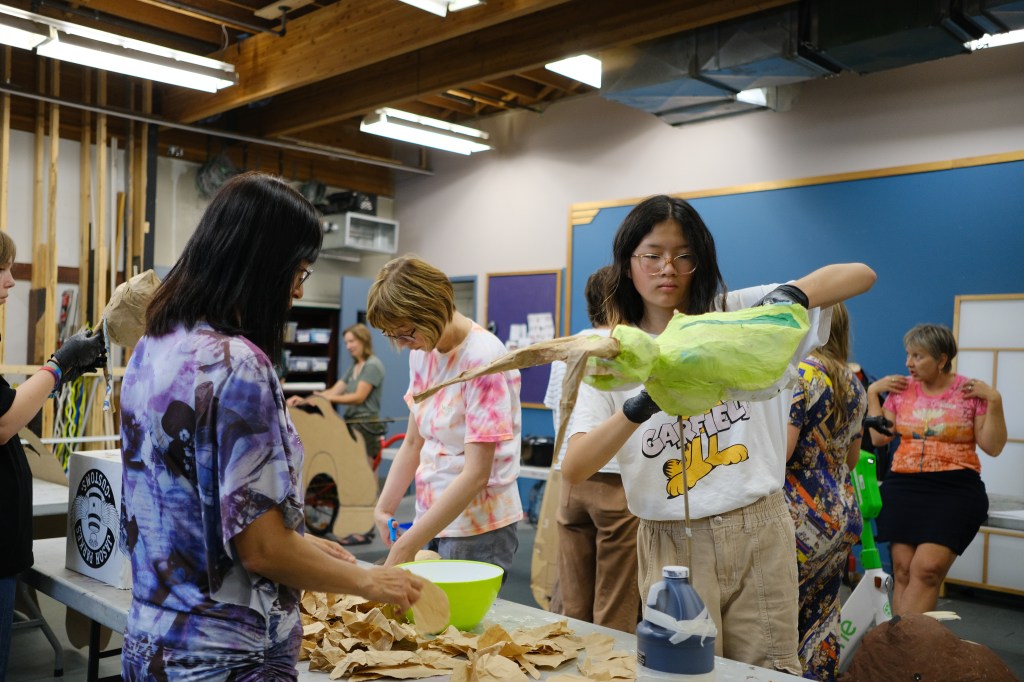
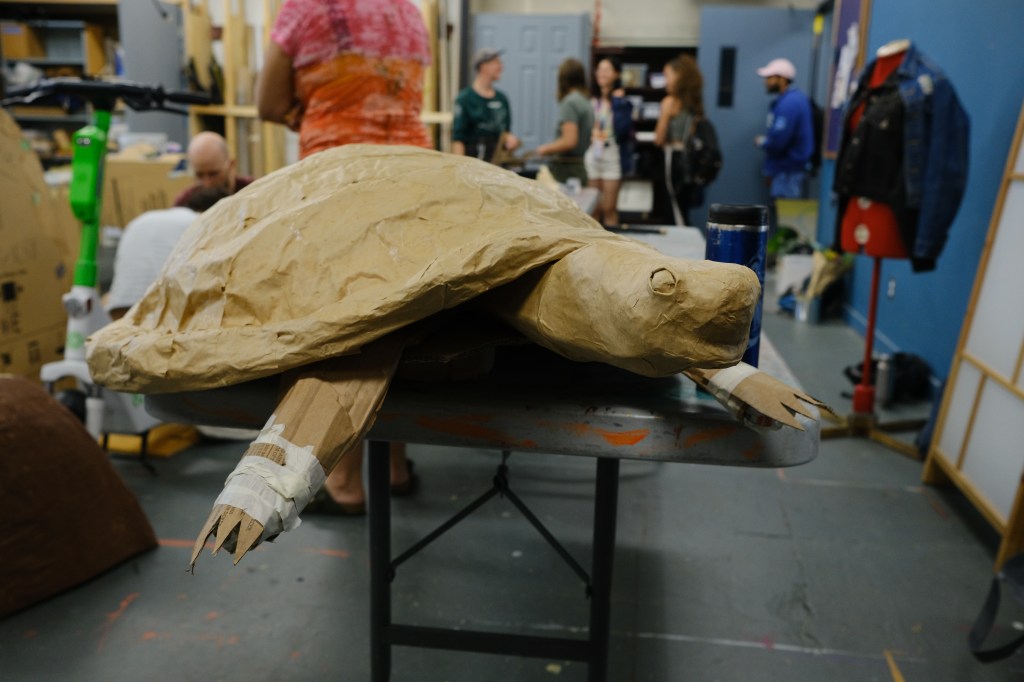
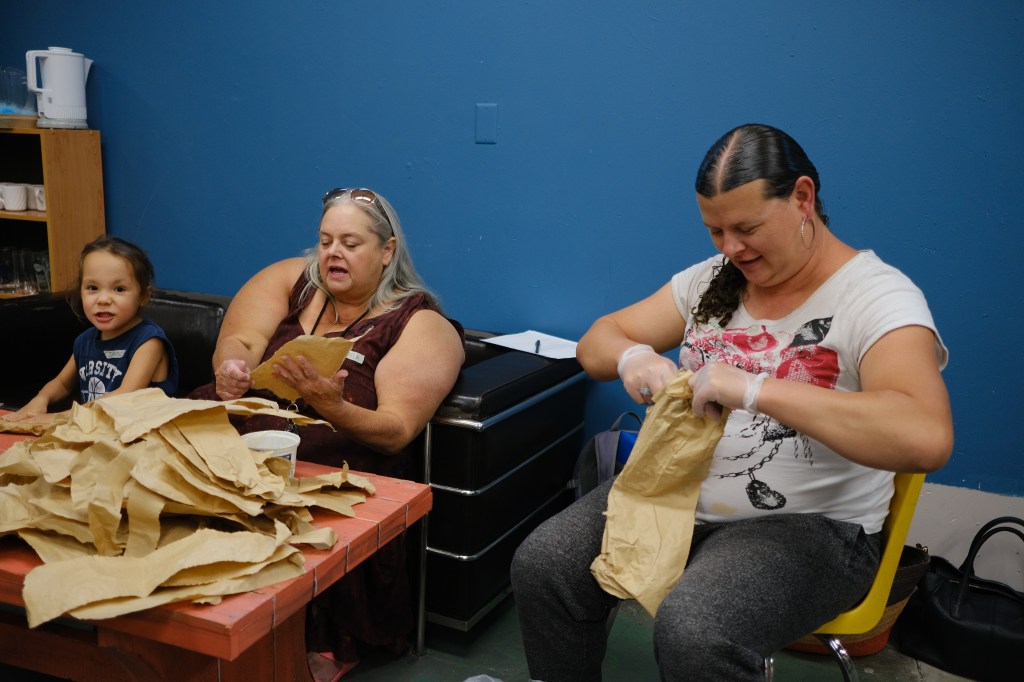
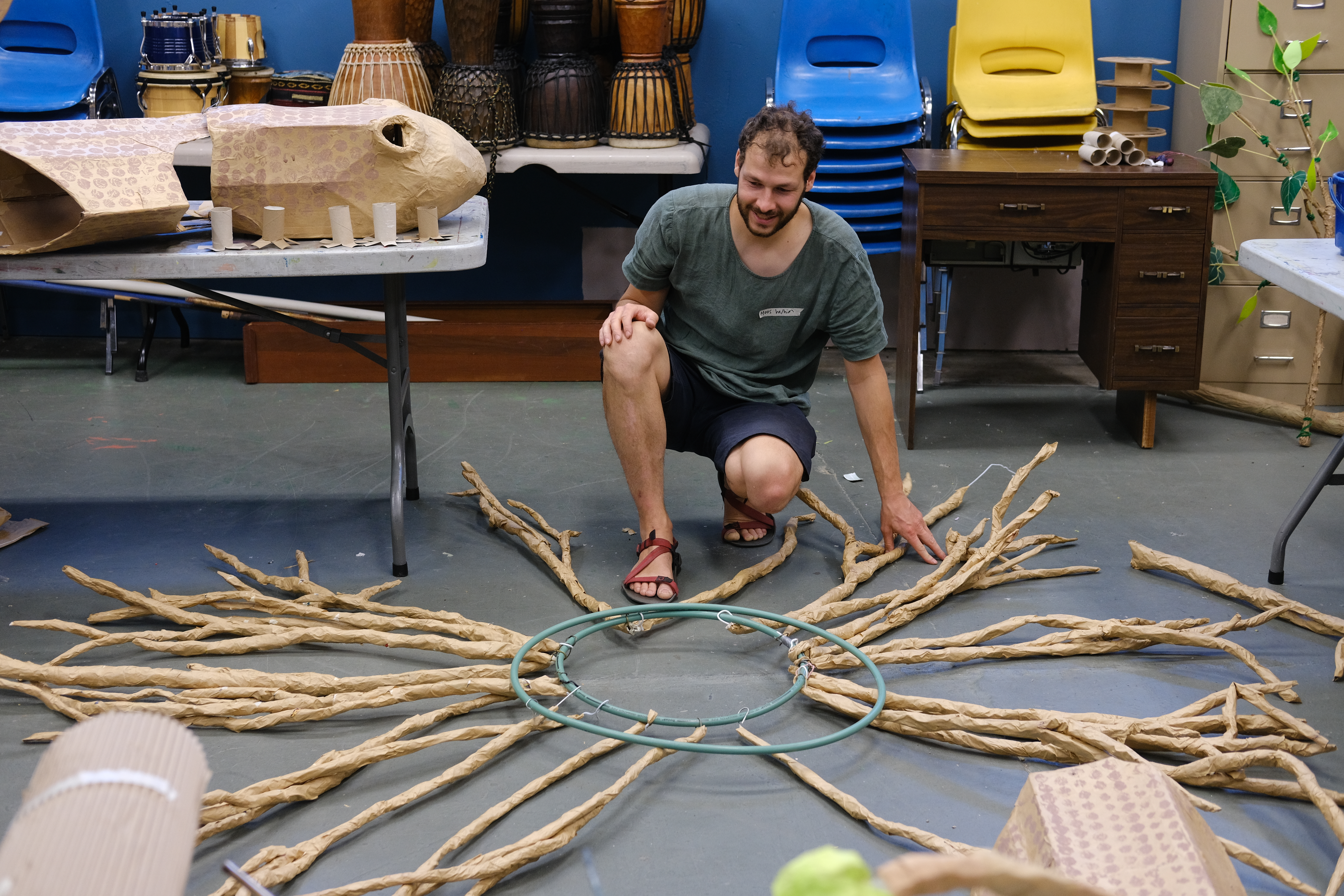
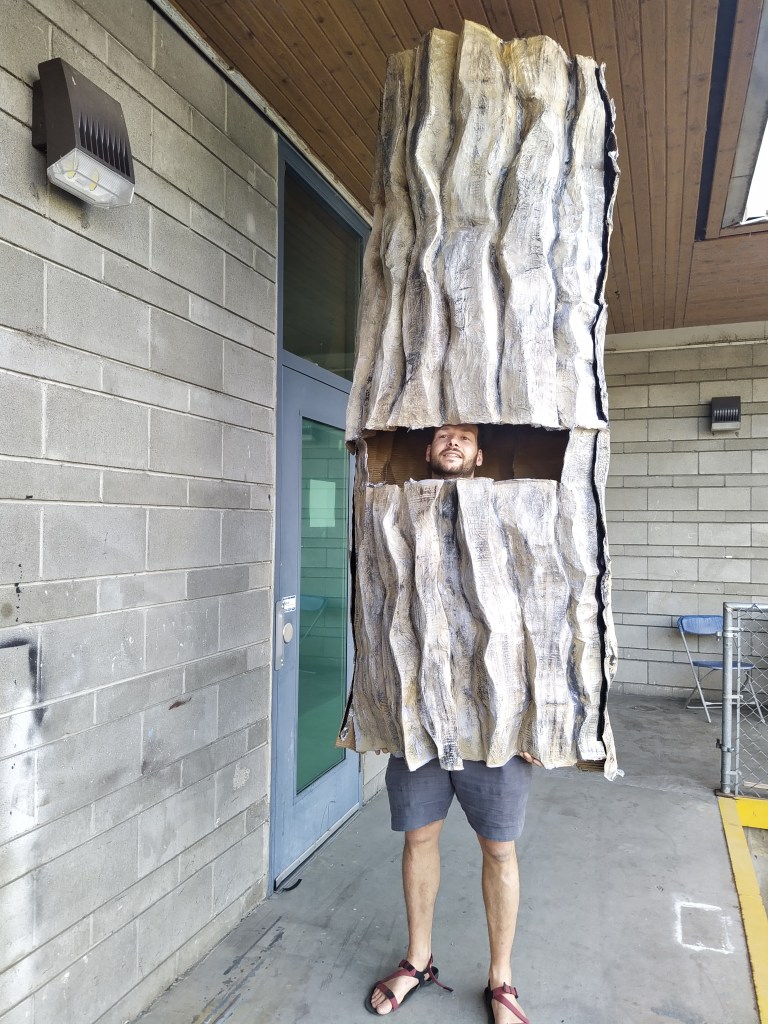
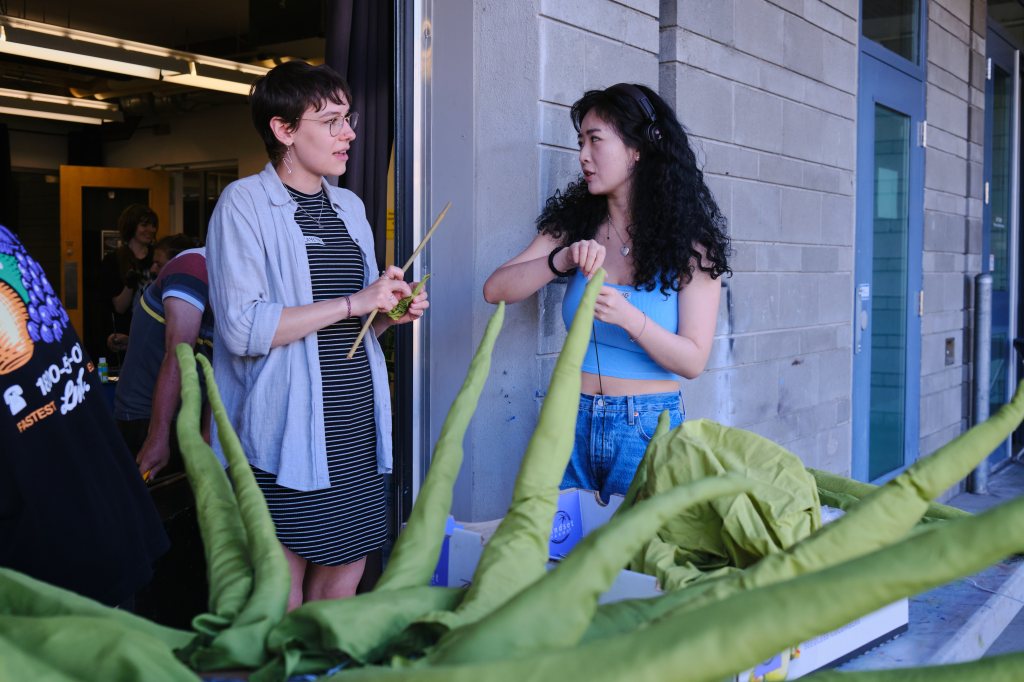
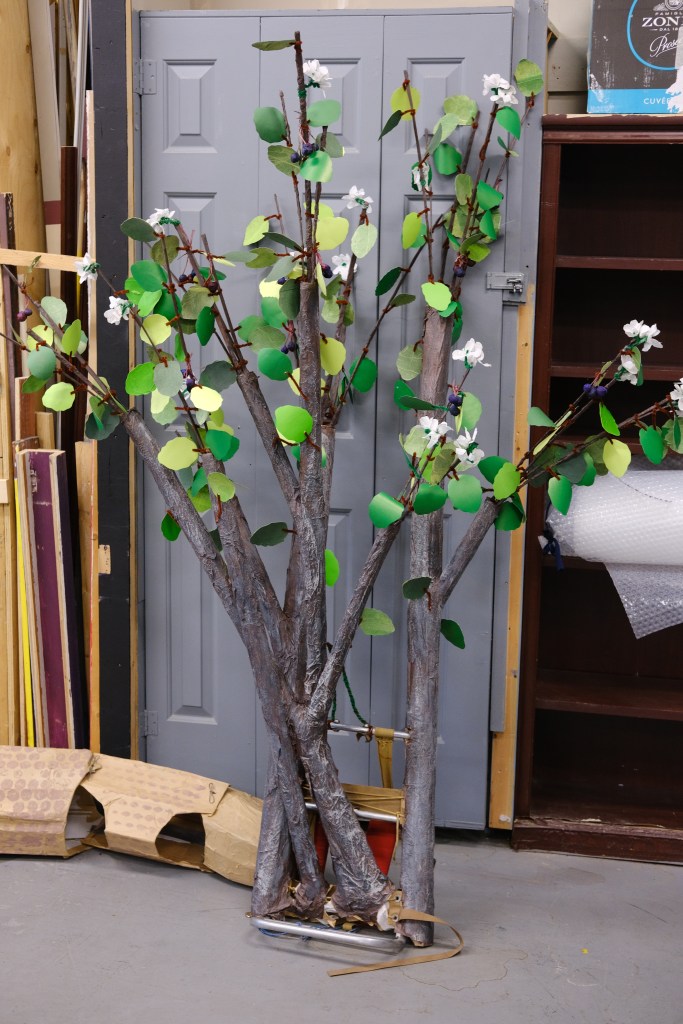
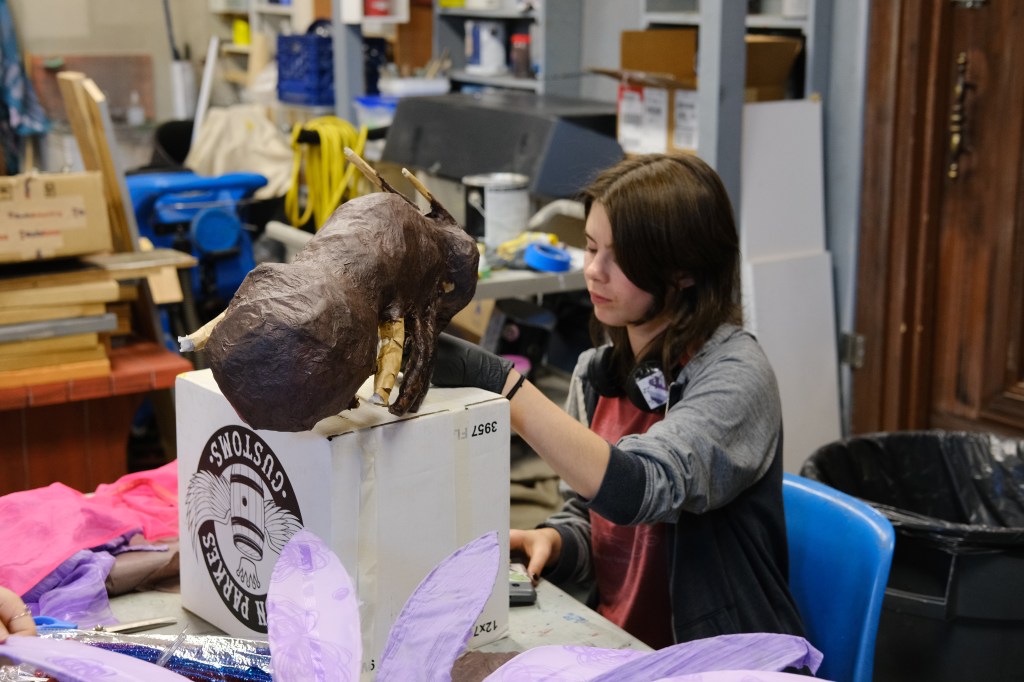
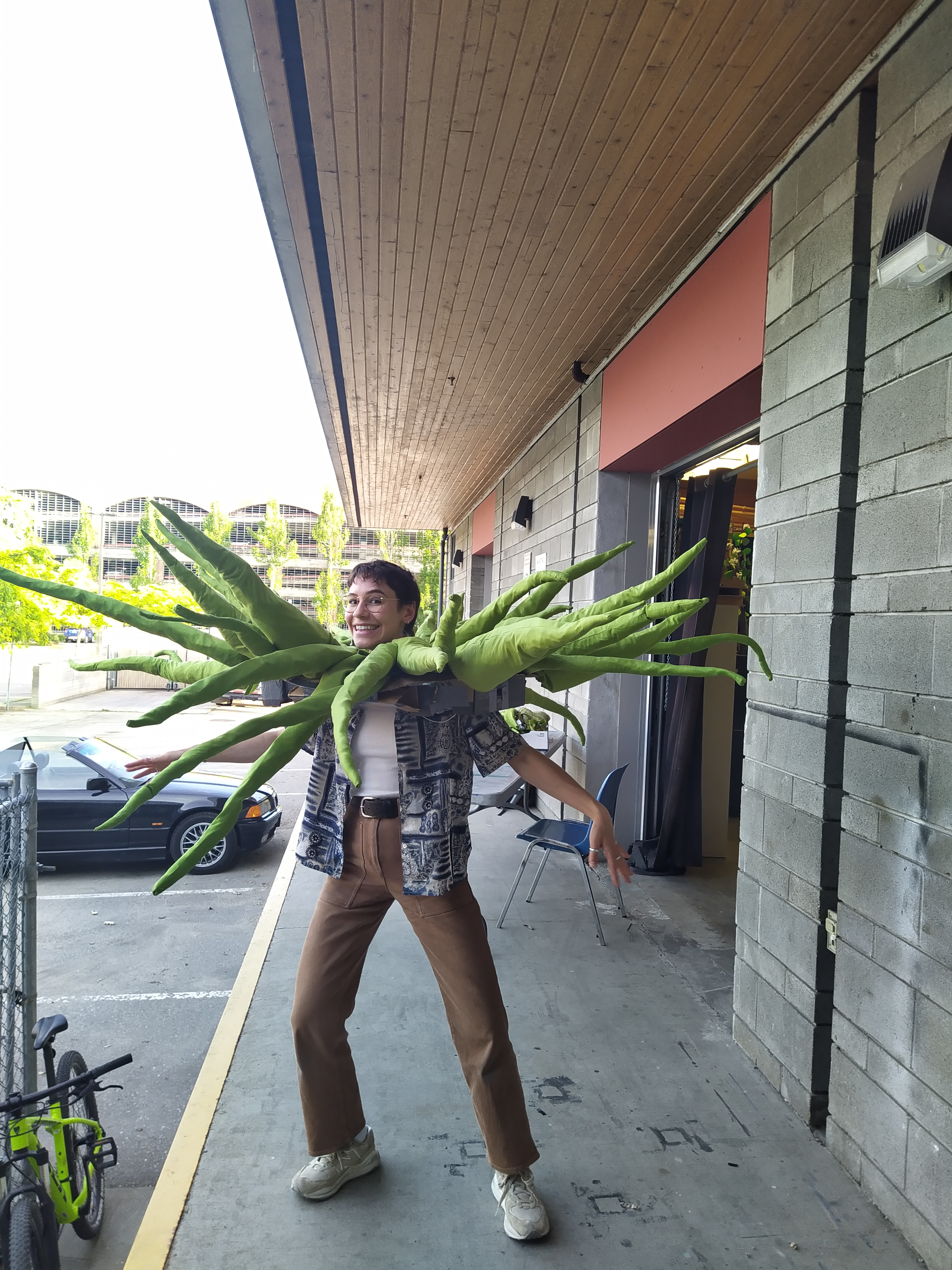
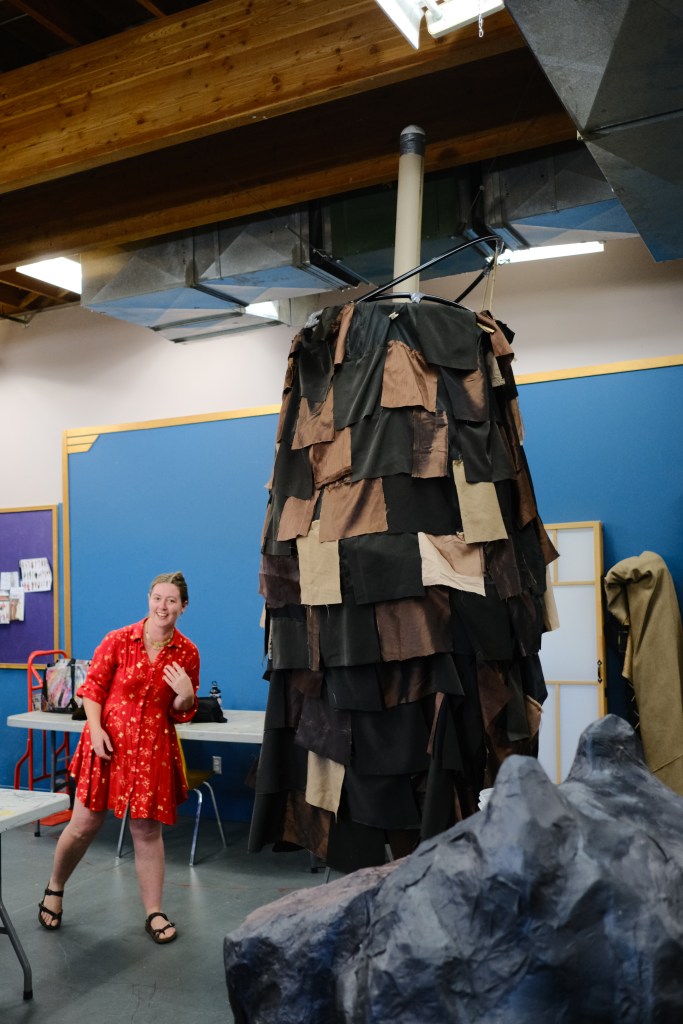
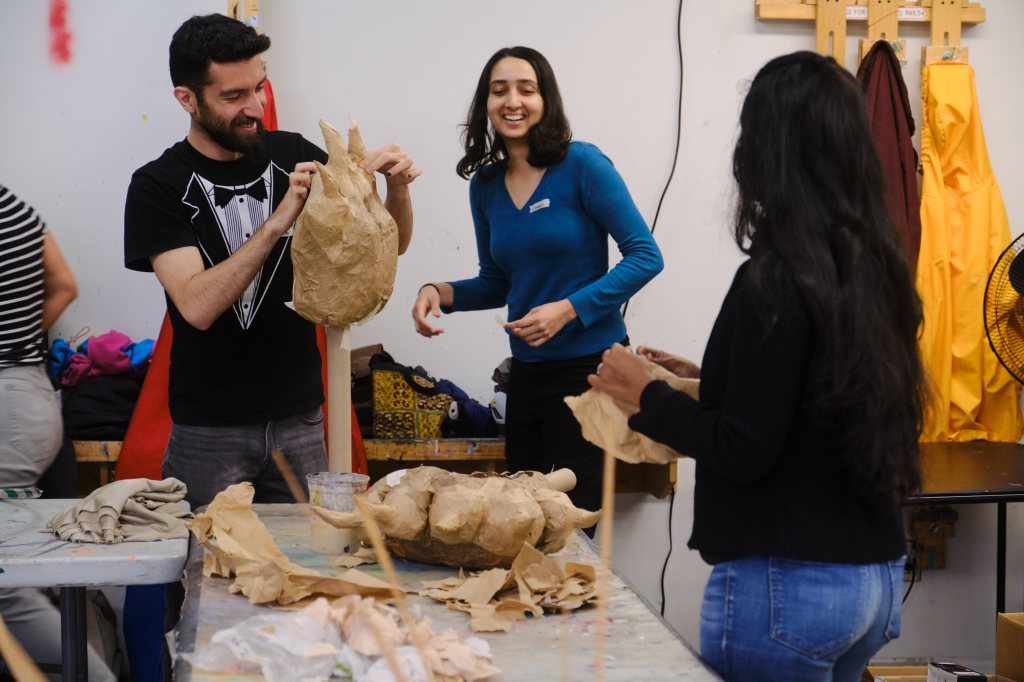
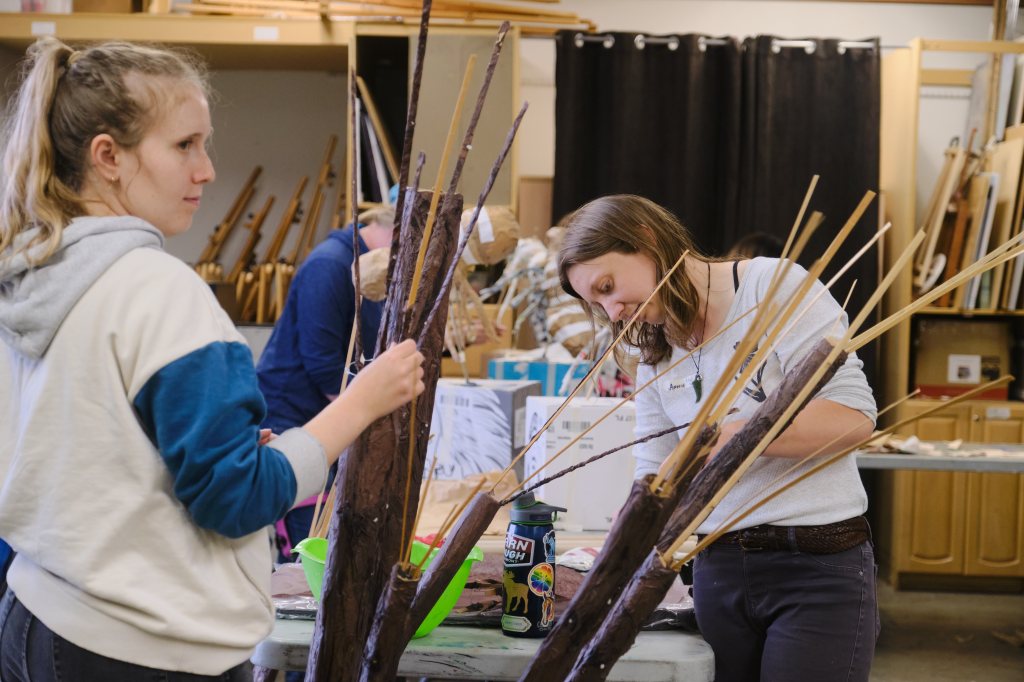
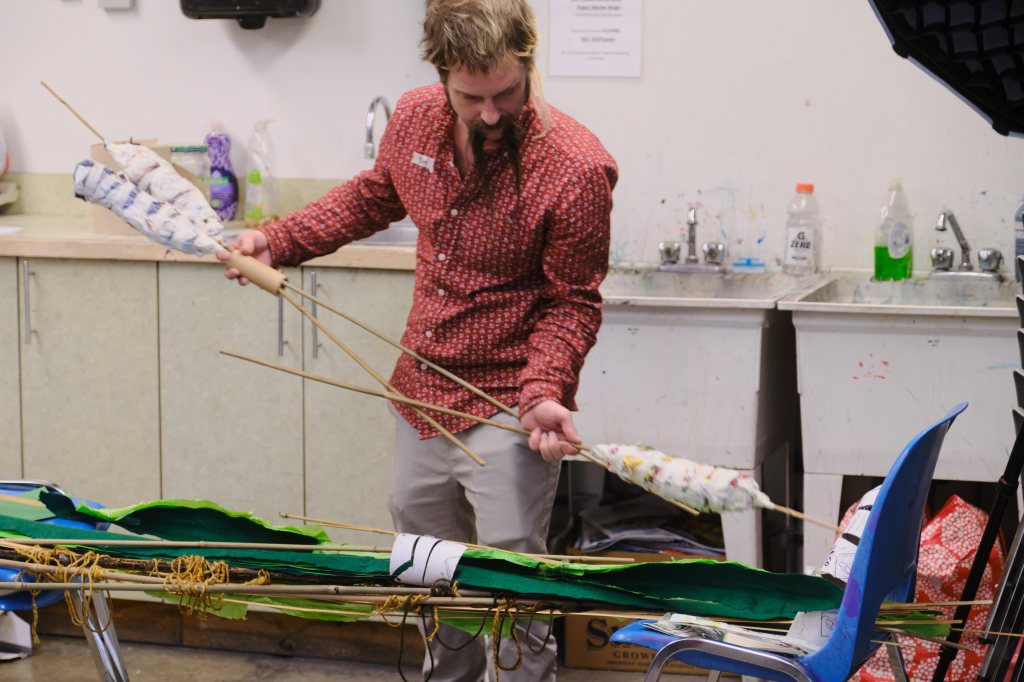
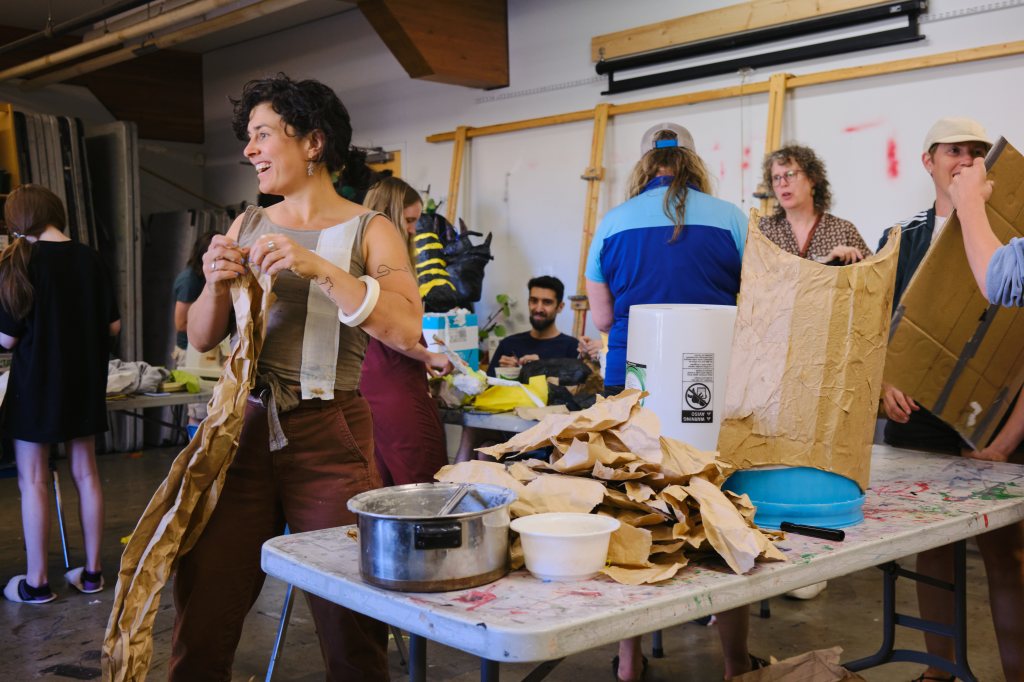
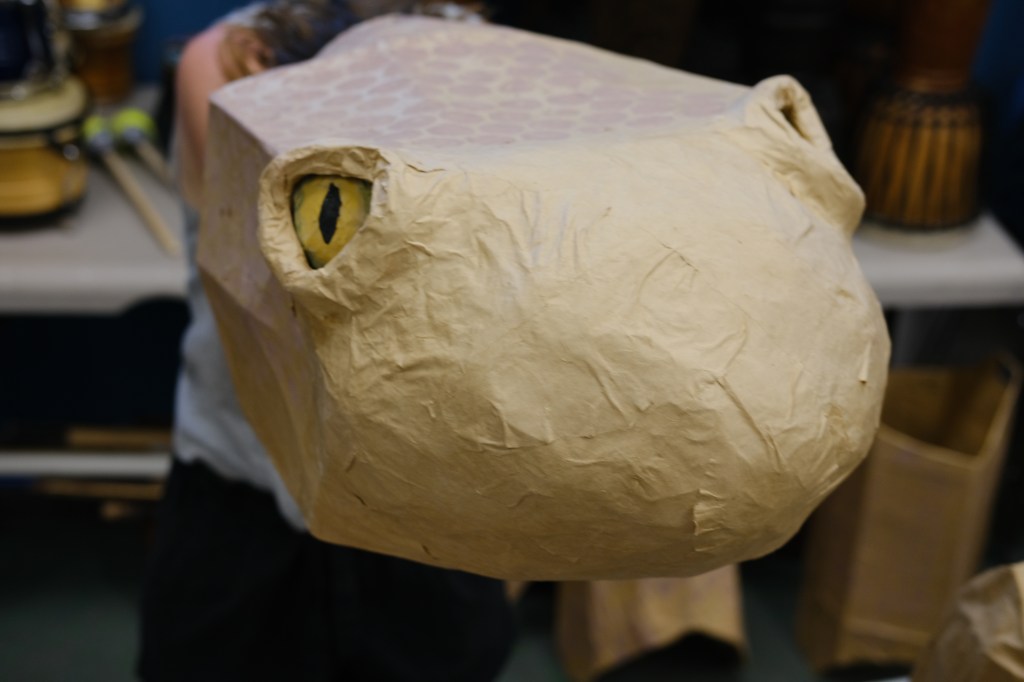
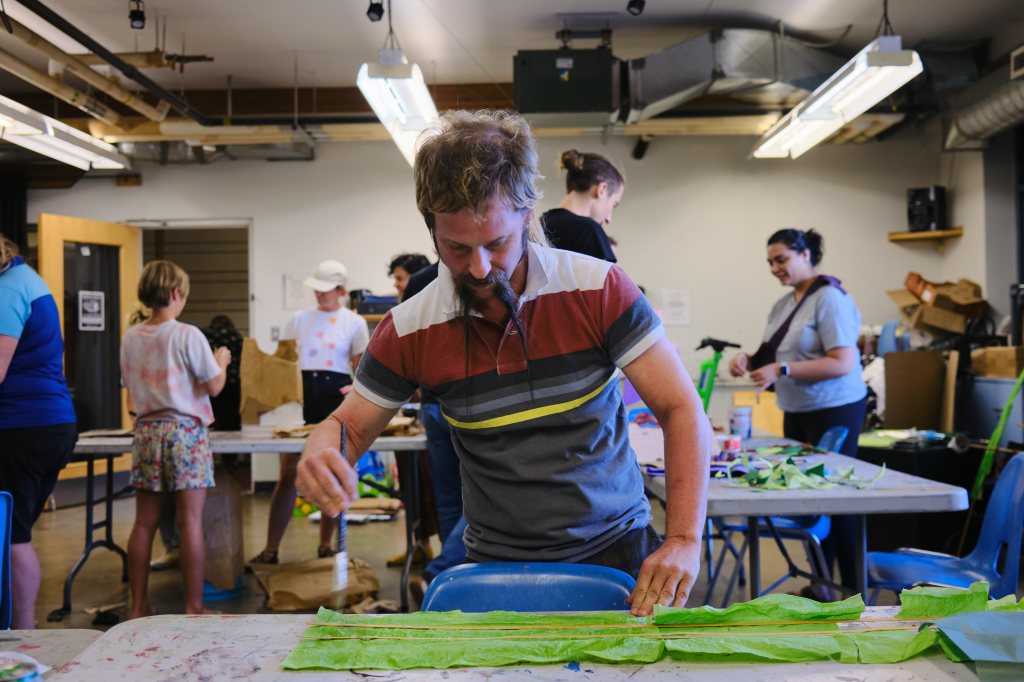
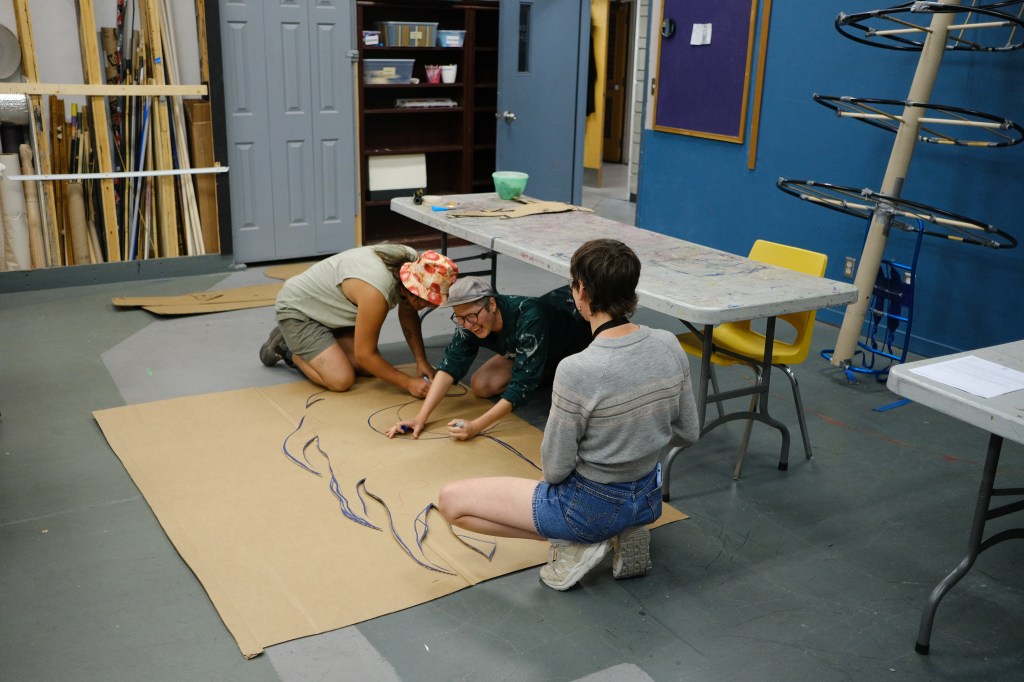
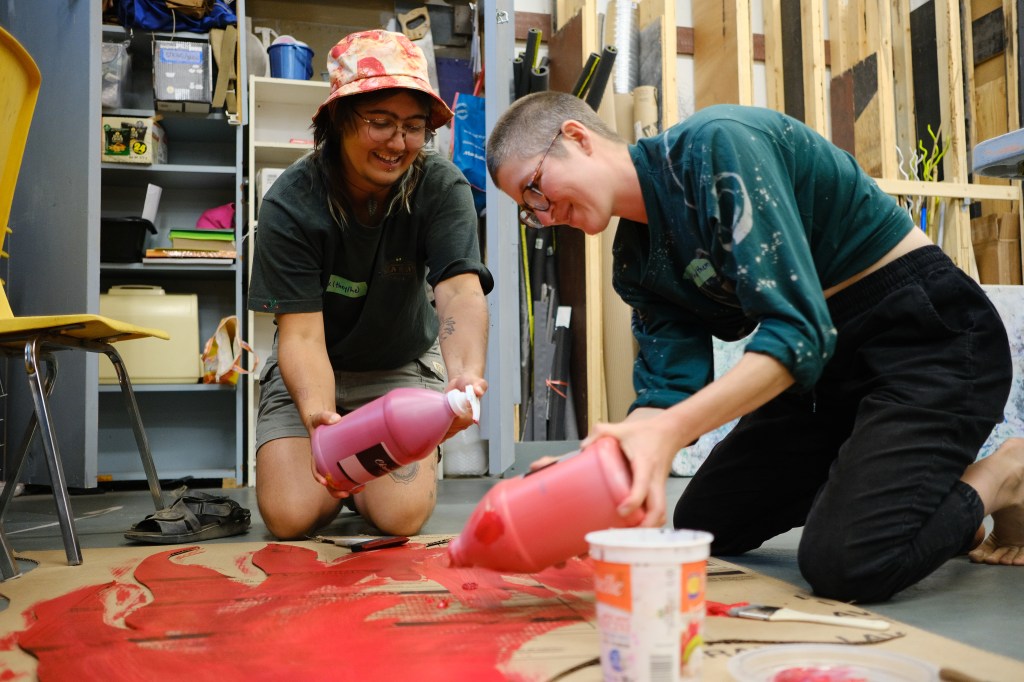
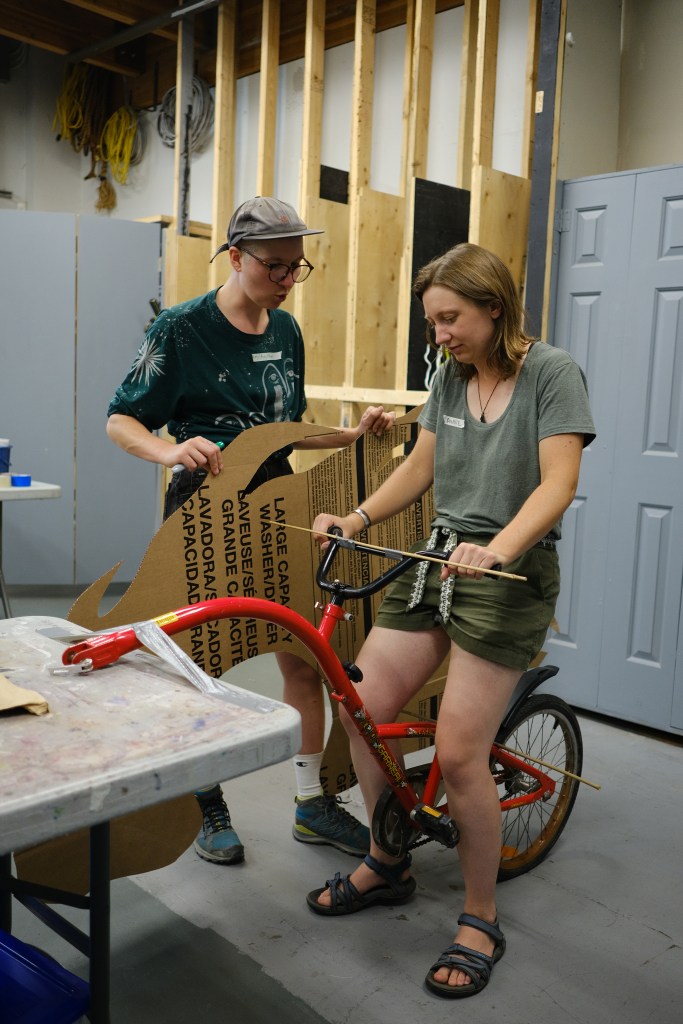
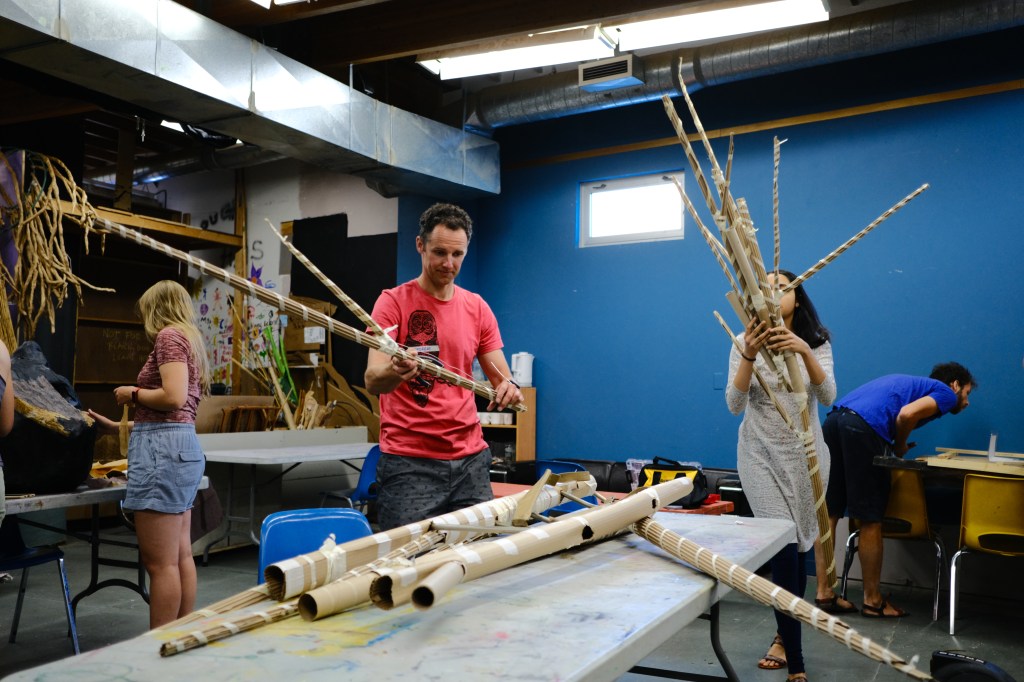
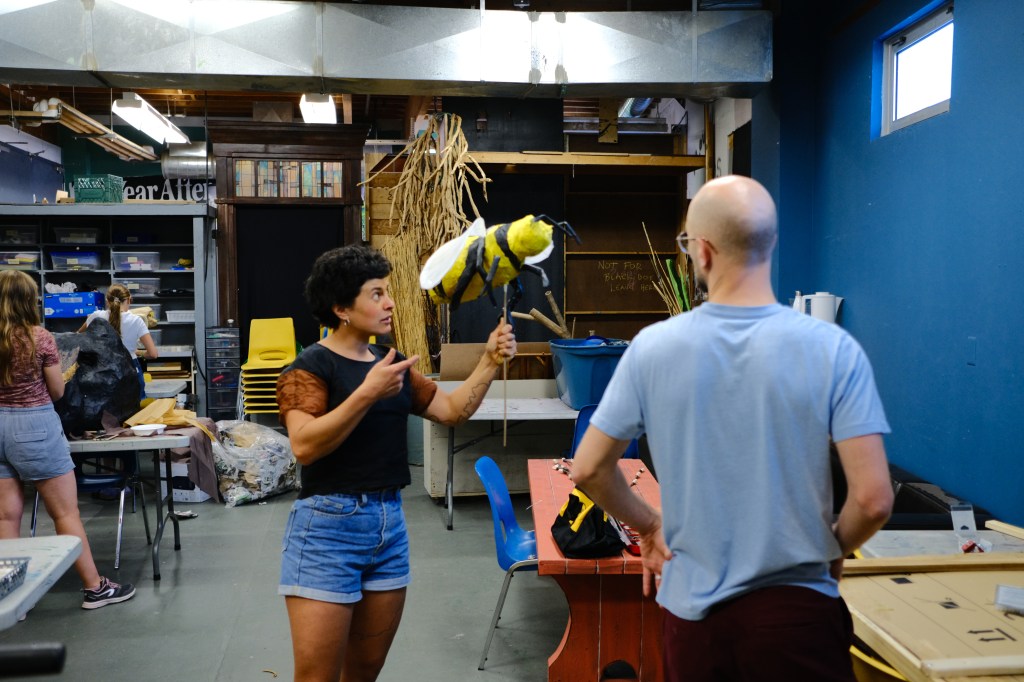
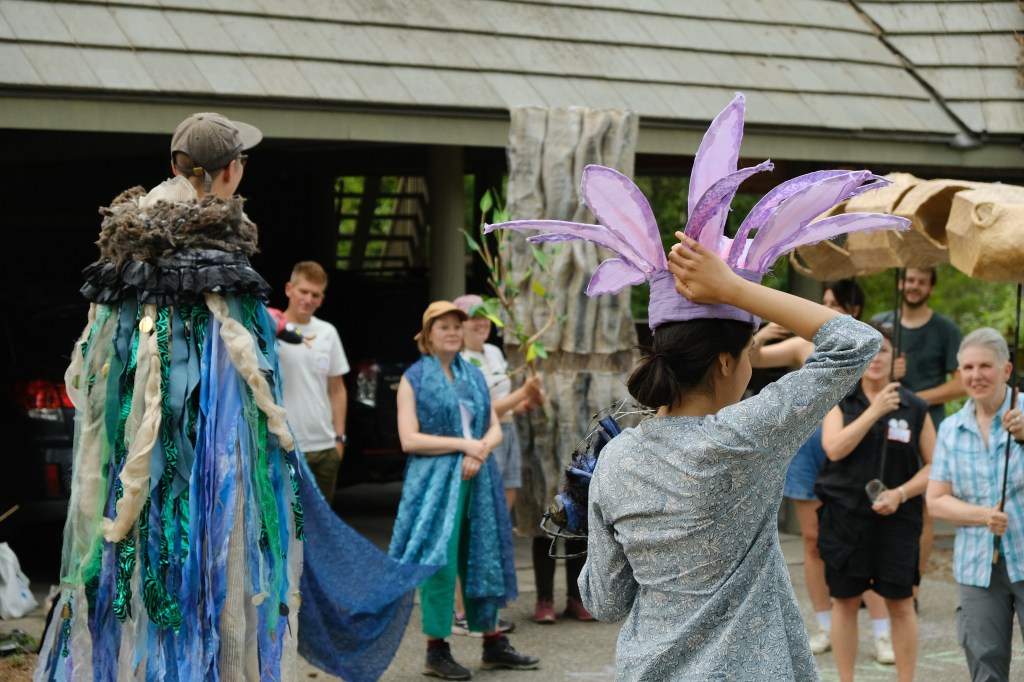
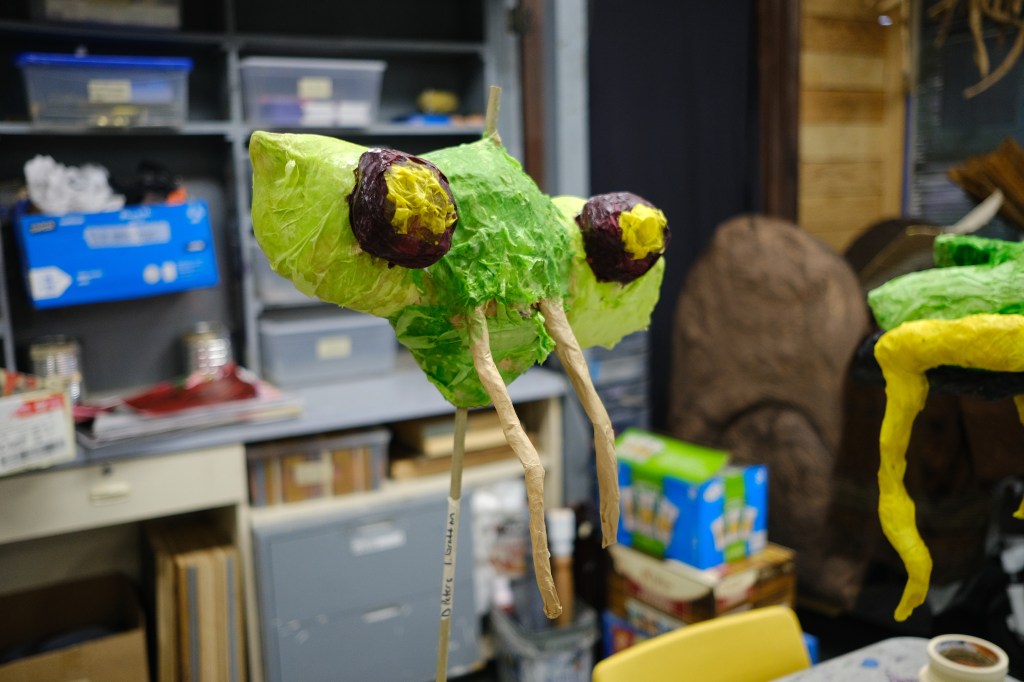
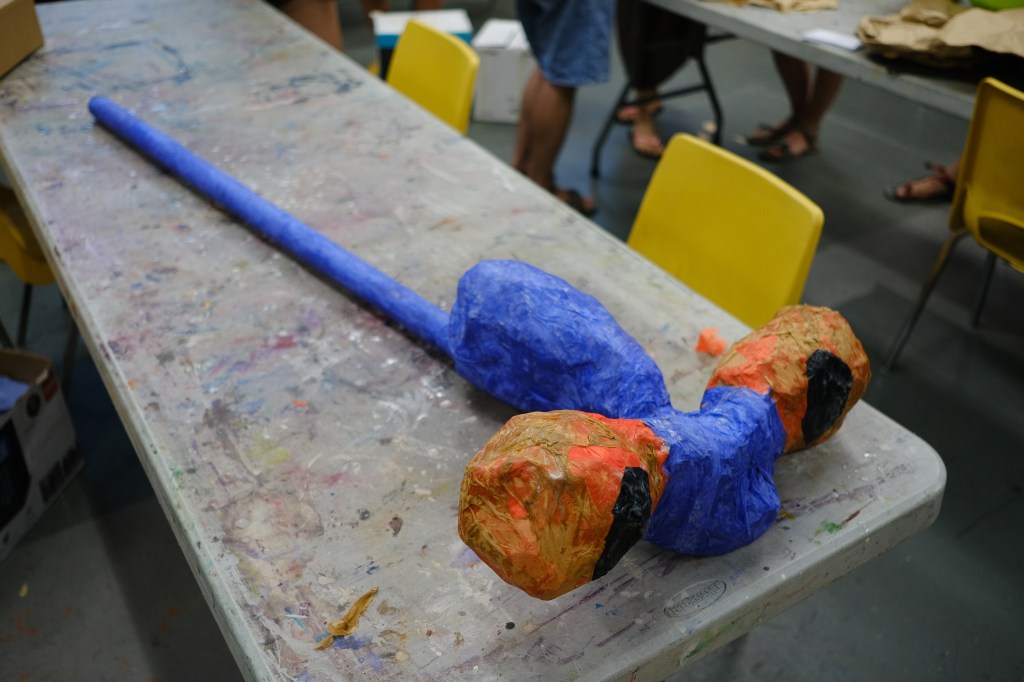
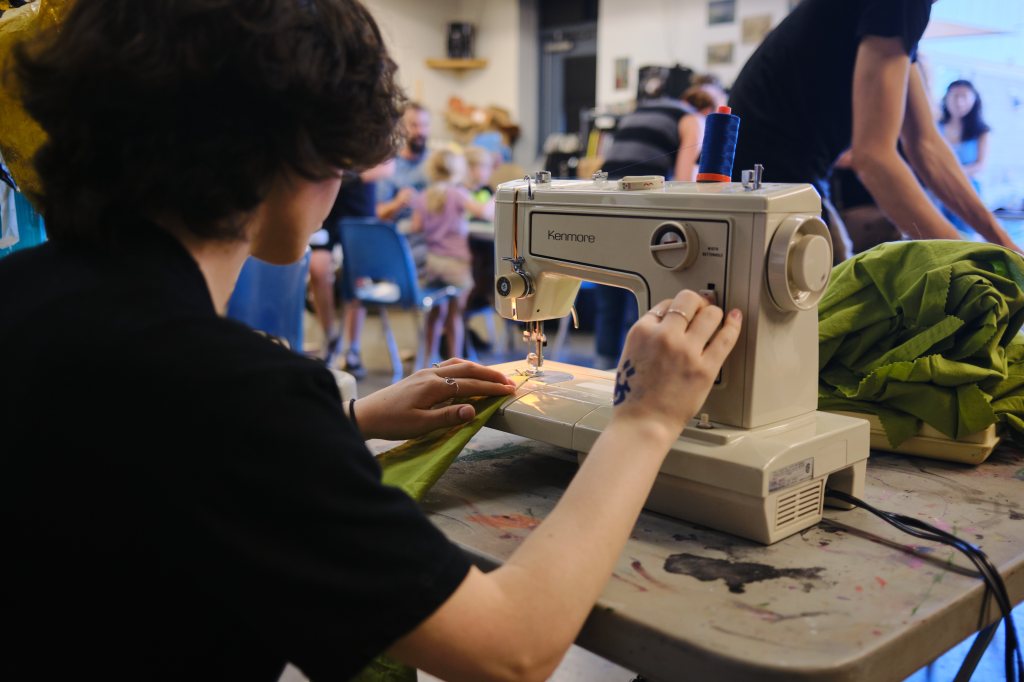
This is a research creation experiment in the transformative power of community art to generate much-needed diverse conversations about and with riparian life in the Okanagan. We are holding weekly community workspace to create and animate puppets during the spring and summer of 2023.
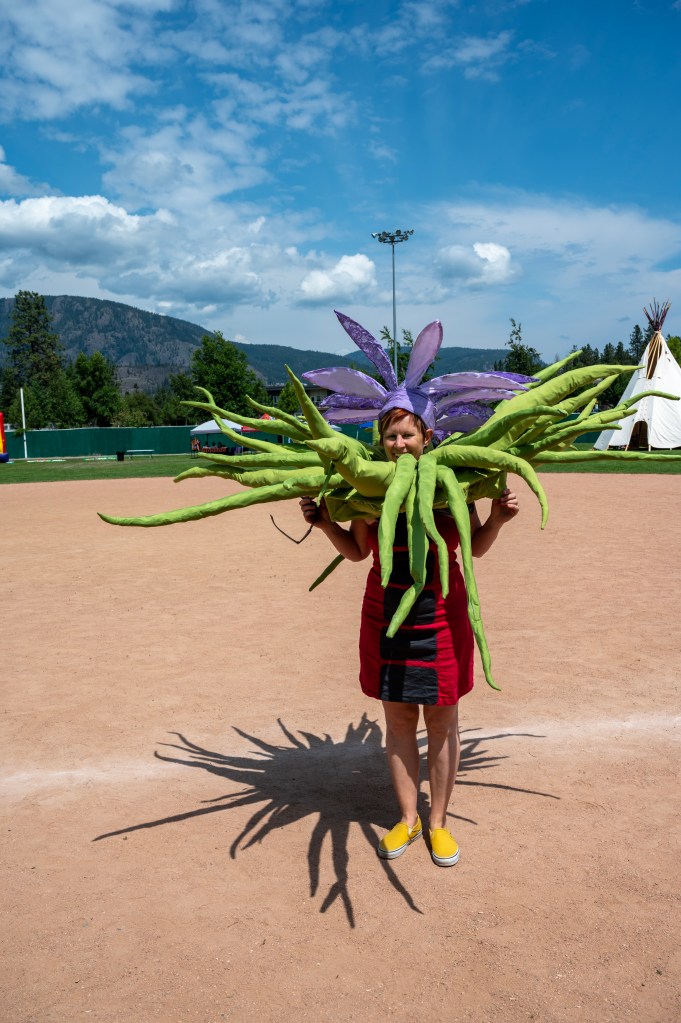
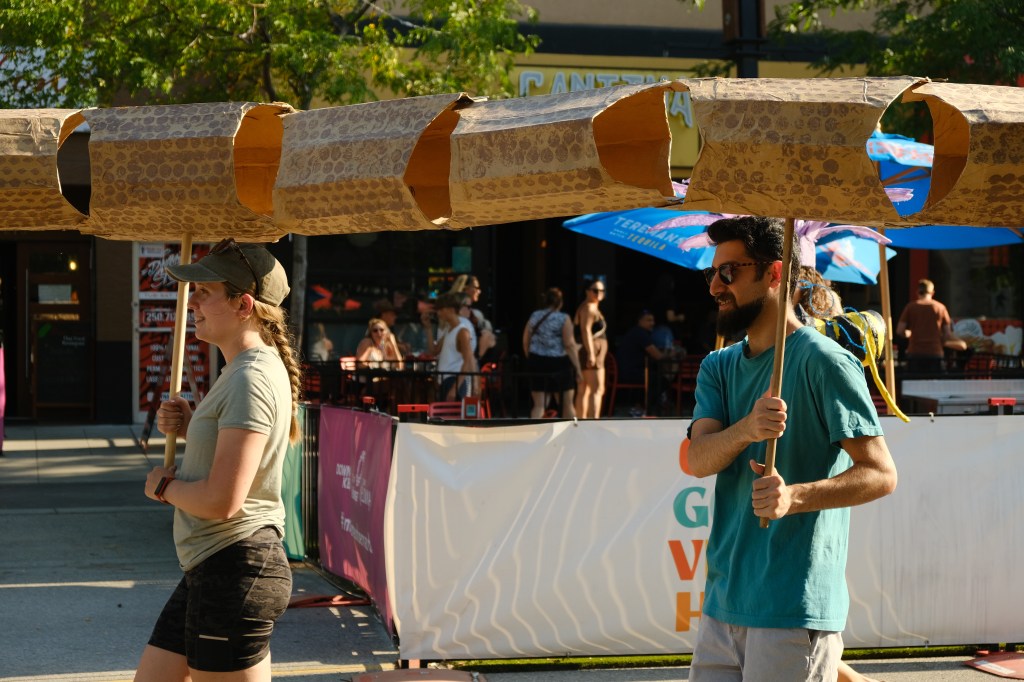
Once a sufficiently biodiverse collection of puppets have been created they will be present at various events, from community arts festivals to academic conferences, through the end of 2023 (and hopefully beyond). As a way of inviting community members to expand and explore their relationships with the flowing bodies of water that give life to this valley, these parade-style riparian character puppets will flood the now overwhelmingly concrete-covered terrain where they once thrives in biodiverse riparian floodplain community.
Riparian ReAnimation is a collaboration between UBC Okanagan researchers, Kelowna’s Rotary Center for the Arts, the Rhizome Eco-Social Education Society, and sylix knowledge holders Pamela Barnes and Jasmine Peone. Puppet design is supported by Cathy Stubington, of Runaway Moon Theatre. Puppets and the stories they will help tell are co-created with, about, and for the Okanagan’s riparian communities.
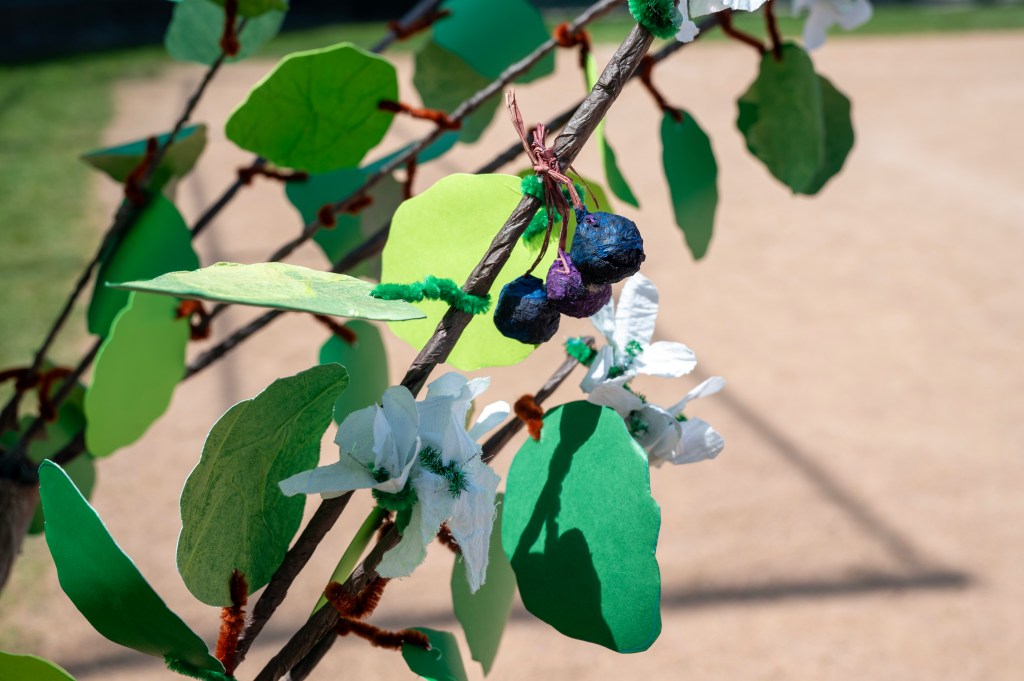
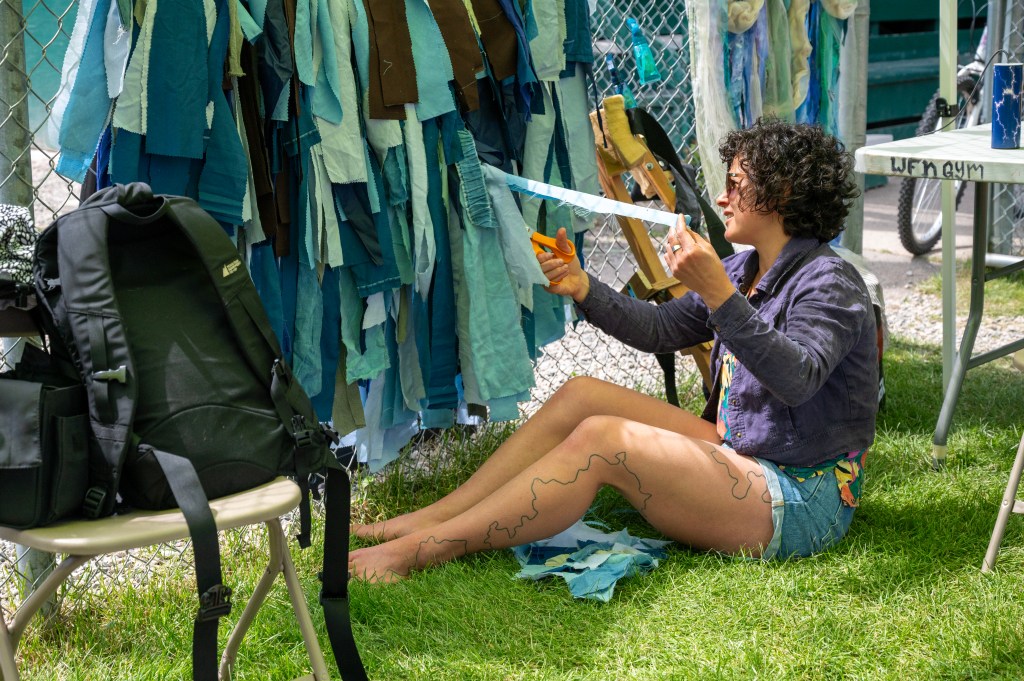
ReAnimation in action














writing & media
cottonwood jingle
The Riparian ReAnimation project, now taking shape as giant puppets, grew from the inkling that it would be fun to reanimate ecological mini-dramas, which play out constantly in any habitat and can be perceived by an observer who has the perceptual ability to attend to the story arc. A first attempt at this was a jingle about cottonwood trees that Moos van Caspel and I wrote over the course of a year, from 2020 to 2021.
Cottonwood leaves
(Donald & van Caspel, 2021)
Cottonwood leaves
Fall in the water
They came from the trees
Brown and yellow
No longer green
Bringing the nutrients
back to the stream
Cottonwood wood
Cottonwood wood
Growing as only a cottonwood could
Loved by beavers
Birds and bugs
Perfectly content
With occasional floods
Cottonwood bud
Cottonwood bud
Covered in resin
The trees’ lifeblood
Oh so sticky
What can you do?
Make an ointment for cuts
Or a powerful glue
Cottonwood fuzz
Cottonwood fuzz
Cottonwoods doing
what a cottonwood does
Making fuzz
All day long
Even while we are
Singing this song.
riparian poem
Another version of this reanimating project exists as a poem-like contribution to the forthcoming publication Aquatic Encounters (Rooftop Press, edited by Anastasia Khodyreva and Elina Suoyrjö, curated by Tuukka Kaila). Here presented overtop of a series of riparian photos.
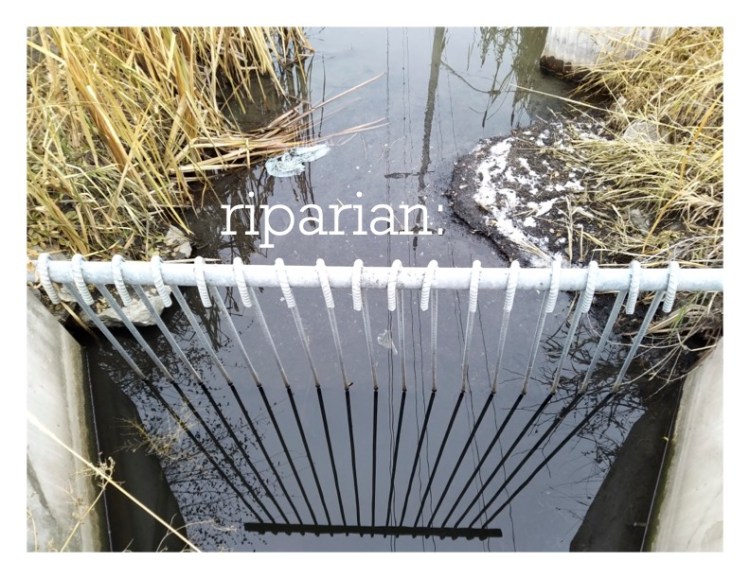
Slide 1/20: Riparian, a poem Instructions: Use the left and right arrows to move through the slideshow. 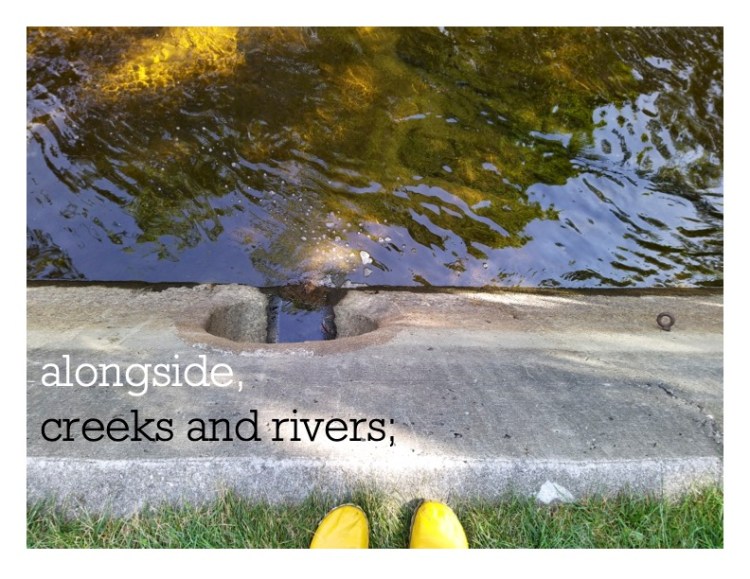
Slide 2/20: alongside, creeks and rivers; 
Slide 3/20: around, mountains, hills, buildings; 
Slide 4/20: athwart, the falling and falling, feet, paws, flippers, fins; 
Slide 5/20: Because of, glacial deposition and recession, freshet, weather, change; 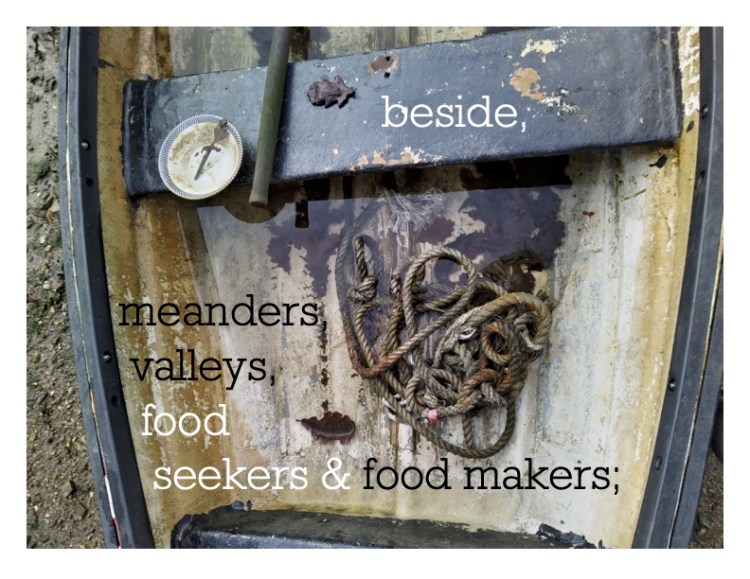
Slide 6/20: beside, meanders, valleys, food seekers and food makers 
Slide 7/20: between, seaasons, in/declines, definitions 
Slide 8/20: composed by, trees, imagination, critters, maps; 
Slide 9/20: encompassing, dreams, destinations, pathways, and ontologies. 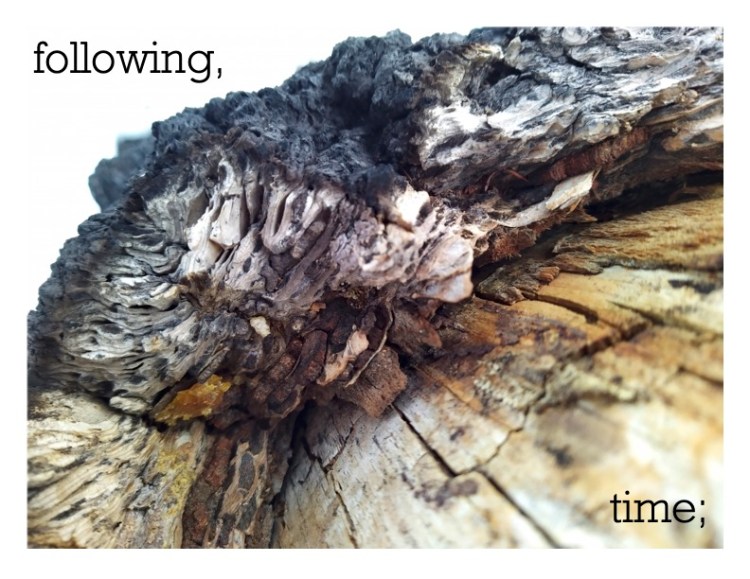
Slide 10/20: following time; 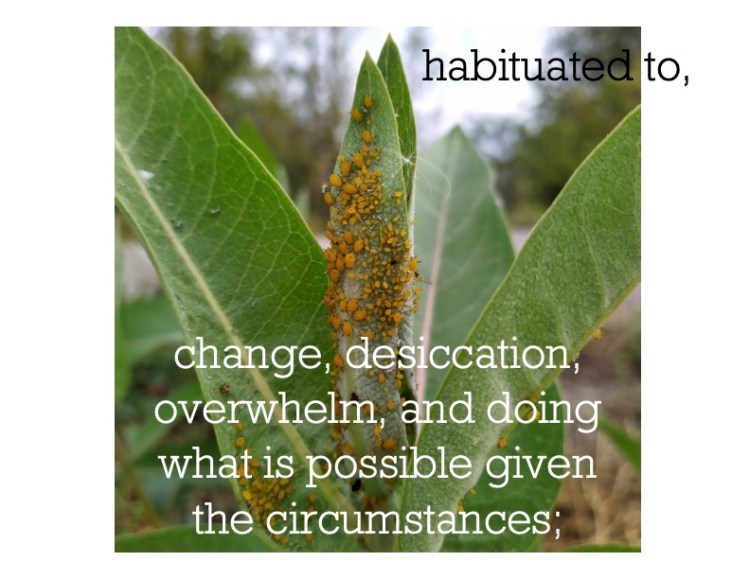
Slide 11/20: habituated to, changes, desiccation, overwhelm, and doing what is possible given the circumstances; 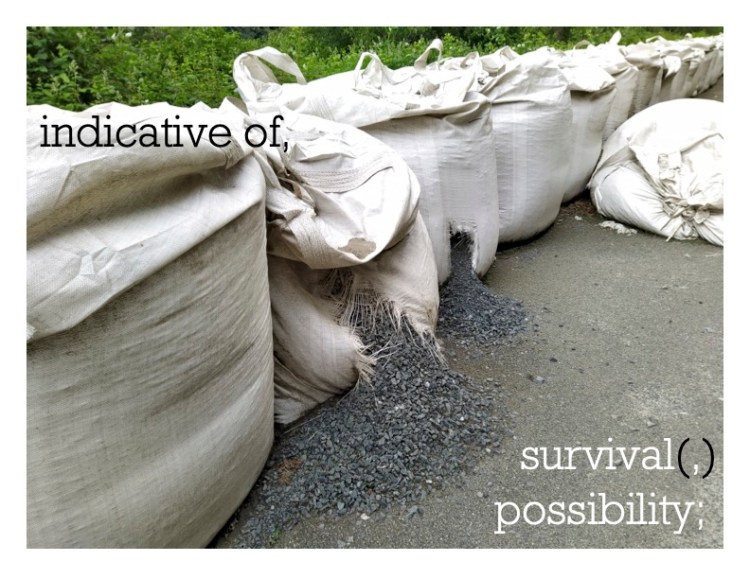
Slide 12/20: indicative of survival (,) possibility; 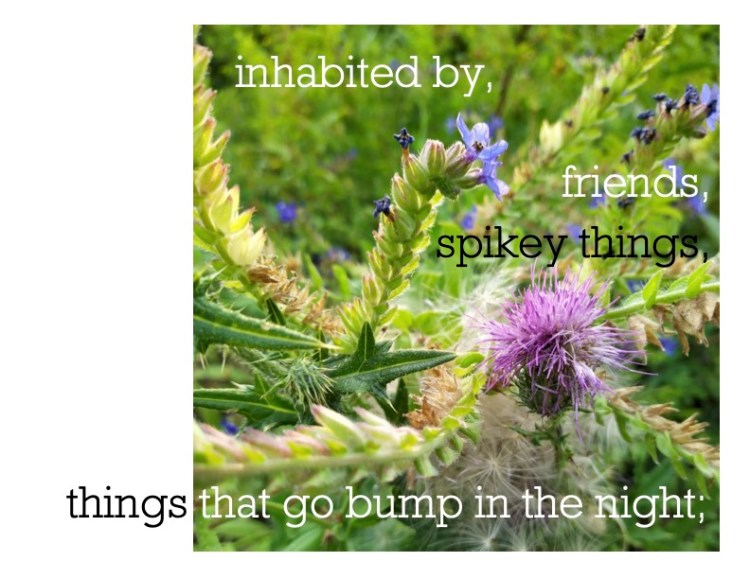
Slide 13/20: inhabited by, friends, spikey things, things that go bump in the night 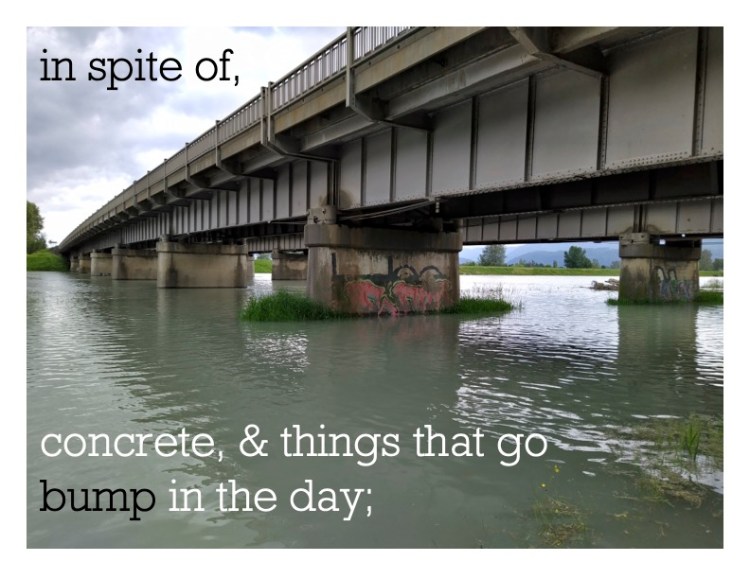
Slide 14/20: in spite of, concrete, and things that go bump in the 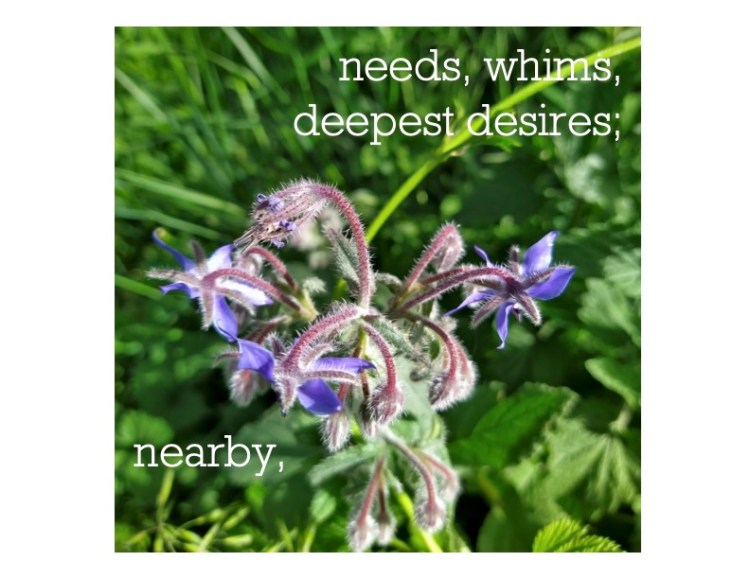
Slide 15/20: needs, whims, deepest desires; nearby, 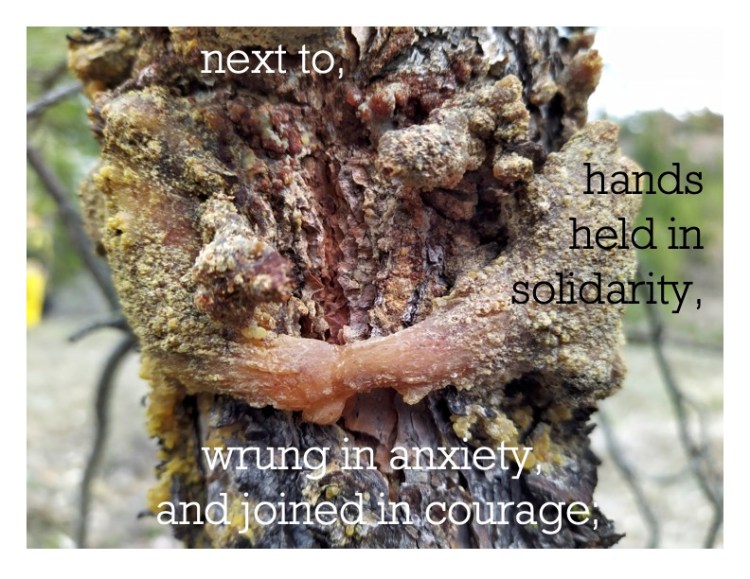
Slide 16/20: next to, hands held in solidarity, wrung in anxiety, an joined in courage 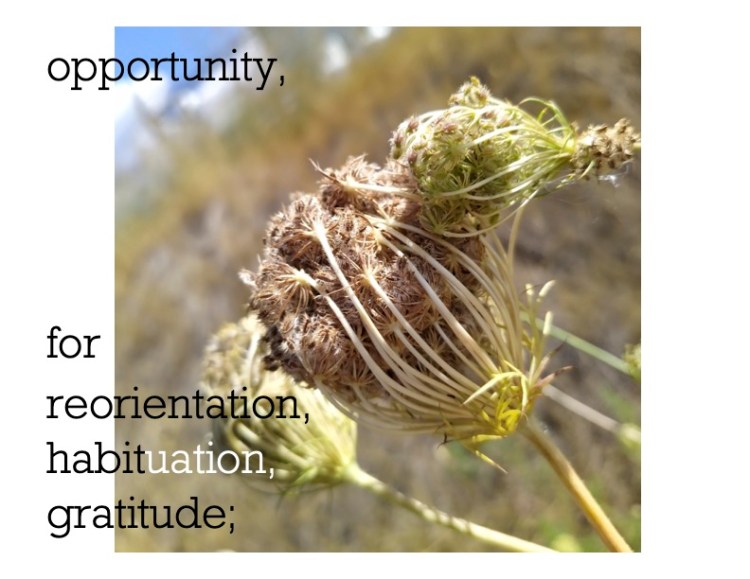
Slide 17/20: opportunity, for reorientation, habituations, gratitude. 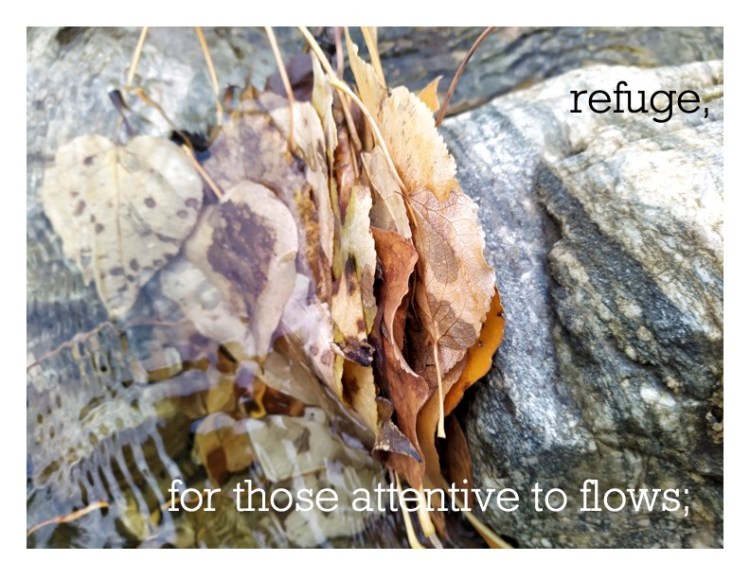
Slide 18/20: refuge for those attentive to flows; 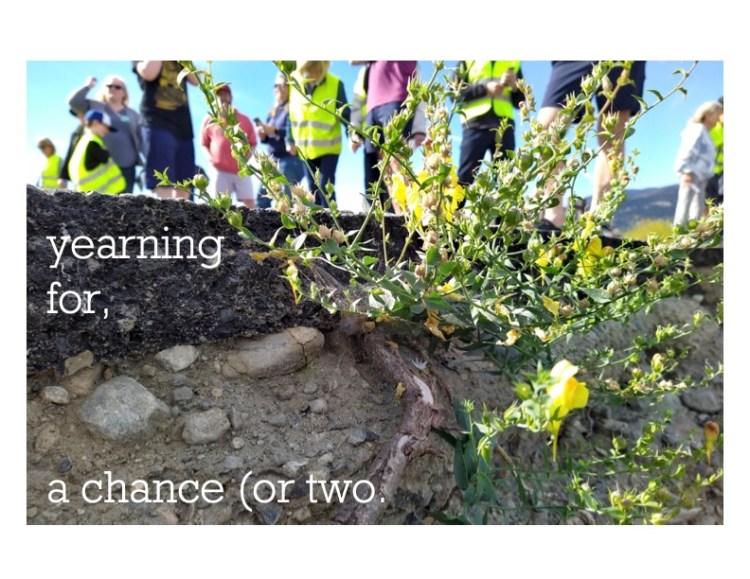
Slide 19/20: yearning for, a chance (or two). 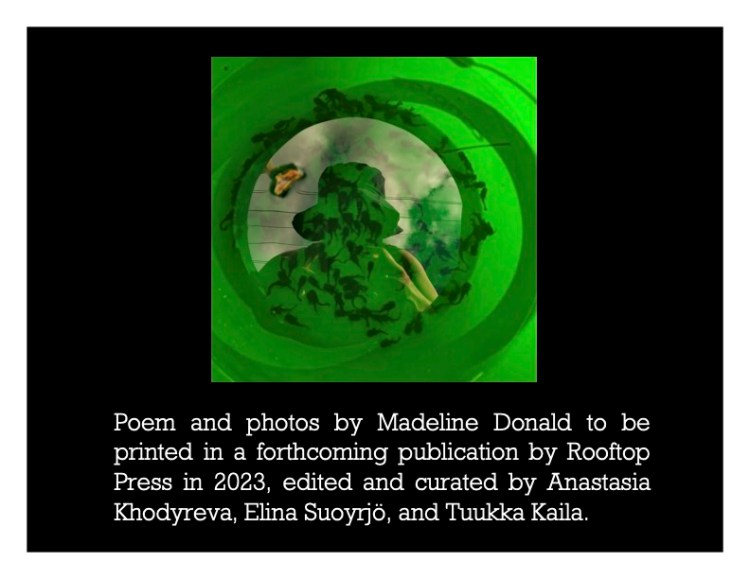
Slide 20/20: Poem and photos by Madeline Donald.

UBC Okanagan News
An article titled “A hidden waterway comes alive through community art,” was written by Viola Cohen and colleagues about the Riparian ReAnimation project as it relates to research with and alongside Brandt’s Creek in Kelowna, BC.
Daybreak South
Tune in to hear Andrew Stauffer and Madeline Donald in conversation with Chris Walker on CBC Radio’s Daybreak South. The conversation describes the Riparian ReAnimation project and its intention to bring community artistic zeal to riparian ecological lifeways. [listen here]

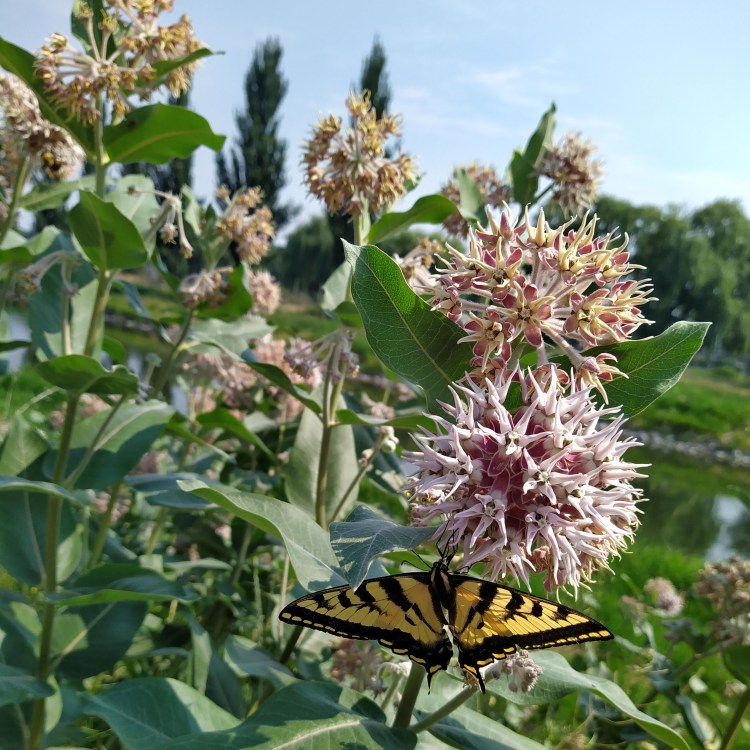
Public Humanities Hub
The Public Humanities Hub at the University of British Columbia Okanagan was one of the first organizations to support this project, as described by this blog post.
 Madeline Donald